Archives of Pulmonology and Respiratory Care
Placing Novel, Fixed-Dose Dual Bronchodilators within the nice Guidelines for Chronic Obstructive Pulmonary Disease -Reflections on the Past, Present and Future
Aintree Chest Centre, University Hospital, Aintree, Liverpool, UK
Author and article information
Cite this as
O'Reilly J (2015) Placing Novel, Fixed-Dose Dual Bronchodilators within the nice Guidelines for Chronic Obstructive Pulmonary Disease -Reflections on the Past, Present and Future. Arch Pulmonol Respir Care. 2015; 1(1): 1-8. Available from: 10.17352/aprc.000001
Copyright License
© 2015 O'Reilly J. This is an open-access article distributed under the terms of the Creative Commons Attribution License, which permits unrestricted use, distribution, and reproduction in any medium, provided the original author and source are credited.The current National Institute for Health and Care Excellence (NICE) chronic obstructive pulmonary disease (COPD) guidelines were updated in 2010, reflecting clinical evidence available at that time. Since the guidelines were written, a growing body of evidence has demonstrated enhanced Bronchodilation with LABA/LAMA in fixed-dose combinations (FDCs) versus single component agents (the standard of care) in moderate to severe COPD. Studies to date indicate that the indacaterol/glycopyrronium (QVA149) and umeclinidium/vilanterol (UMEC/VI) can optimize Bronchodilation and may lead to improvements in patient-reported outcomes beyond lung function. The evidence for LABA/LAMA FDC, in particular glycopyrronium/indacaterol, and also umeclidinium/vilanterol, supported by meta-analysis, shows that dual Bronchodilation provides superior efficacy compared with LAMA monotherapy (glycopyrronium or tiotropium), and suggests the appropriateness of progression to LABA/LAMA combinations after LAMA mono therapy rather than escalation to LABA/ICS in patients with persistent breathlessness. The debate regarding the benefits and risks of LABA/ICS is on-going, with data now more firmly showing an association with inhaled ICS use and pneumonia. In patients with moderate or severe airflow obstruction and no history of exacerbations in the past year, randomised data showed that glycopyrronium/indacaterol was superior to LABA/ICS in improving lung function and breathlessness score. How to quantify the benefits of LABA/LAMA FDC over Mono therapy will be an ongoing debate, and consideration of other parameters such as a responder analysis of the proportion of patients that did achieve a threshold, may be better suited to establish clinically relevant differences between active agents and placebo. This review highlights the need to consider revisions to the current NICE COPD guidelines to reflect the recently published evidence demonstrating a role for LABA/LAMA FDC in the treatment of moderate to severe COPD
Chronic obstructive pulmonary disease (COPD) is a slowly progressive disease involving inflammation of the airways with pulmonary parenchymal destruction that results in airflow obstruction and is a common cause of disability, hospital admission and premature death. Although a preventable and treatable disease, it is commonly associated with comorbidities, including cardiovascular disease, lung cancer and depression. The major symptom is dyspnea; other manifestations include poor exercise tolerance, chronic cough, sputum production, wheeze and respiratory failure [1].
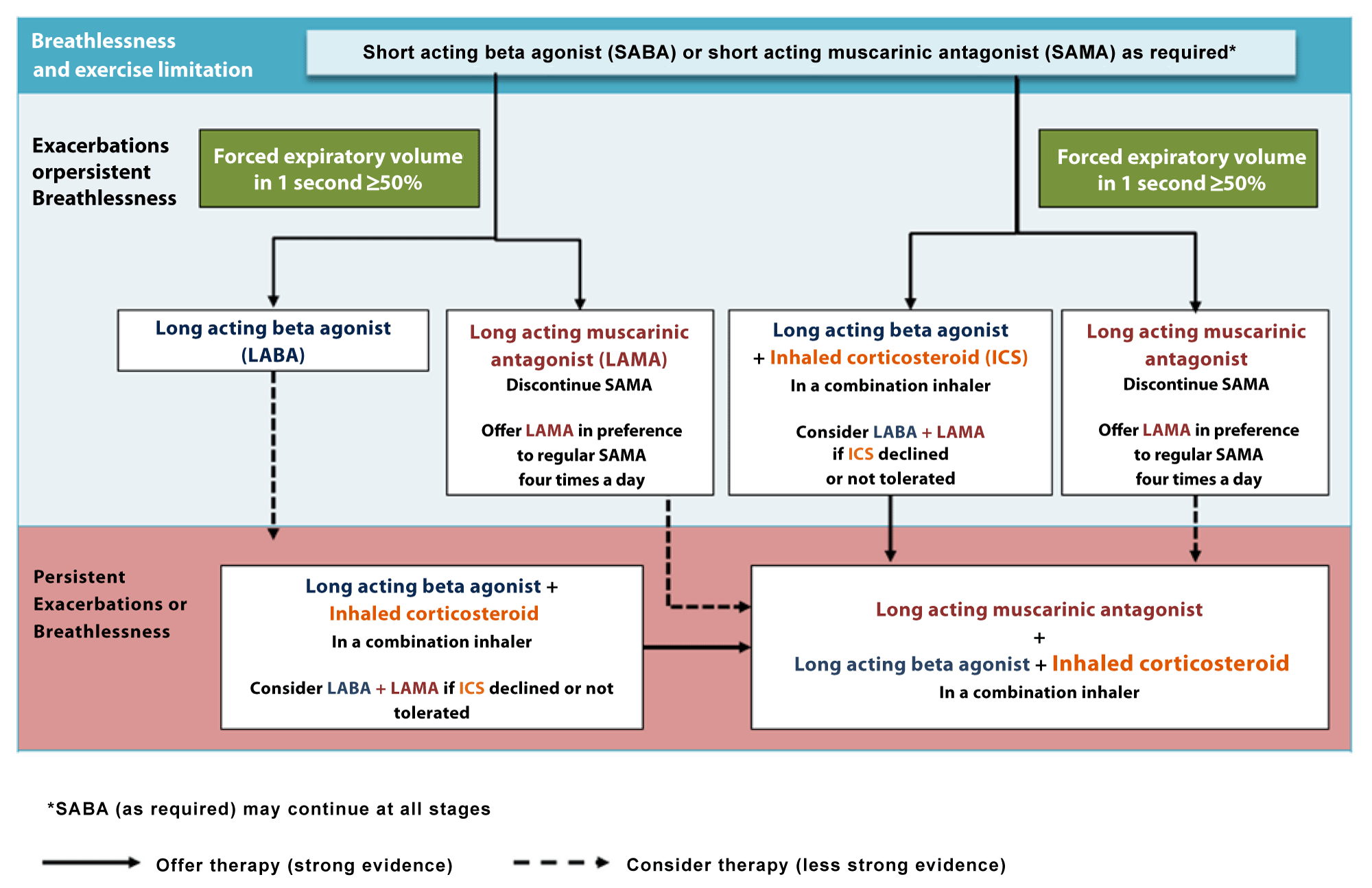
Historically, controversy and confusion have surrounded the diagnosis, classification and management of COPD. The development of management guidelines for COPD by the British Thoracic Society in 1997 [2] and by the National Institute for Health and Care Excellence (NICE) in 2004 led to a more structured approach to COPD diagnosis and management. The 2010 update to the NICE guidelines further refined the recommendations on the diagnosis and assessment of prognostic factors in COPD and made a number of new recommendations [1]. Initial diagnosis is made on the basis of the presence of characteristic symptoms (e.g. cough, sputum production and breathlessness) and the demonstration of airflow obstruction on post-bronchodilator spirometer, based on a ratio of forced expiratory volume in 1 s (FEV1) to forced vital capacity ratio of less than 0.70 [1]. The new treatment algorithm (Figure 1) reflected new treatment opportunities, in particular with long-acting β2-agonists (LABAs) alone or in combination with inhaled corticosteroids (ICS), and long-acting muscarinic antagonists (LAMAs) [3,4].
Severity of airflow obstruction in COPD is classified according to FEV1 as a percentage of the predicted normal value, as mild (≥80%), moderate (50−79%), severe (30−49%) or very severe (<30 (Table 1). It is now accepted that FEV1 does not fully reflect the impact of COPD on patients. Although the 2010 NICE guideline update stressed management based on patient-focused treatment outcomes, reflecting the primary outcomes of clinical trials, it was heavily constrained by the FEV1-based entry criteria for patients entered into the pivotal clinical trials that influenced the treatment recommendations, particularly with respect to the use of ICS. In the absence of at that time of therapeutic trials based on validated severity assessment tools that encompassed the multidimensional nature of COPD, the 2010 NICE guideline continued to recommend FEV1 as a marker of severity and criterion for drug recommendation, with the acknowledgement that this may not fully reflect the impact of the disease [1].
The recognition of COPD as a heterogeneous condition that affects patients in different ways also signaled a move away from the traditionally linear approach to COPD treatment, and the current guidelines advocate a more patient-centered view when attempting to optimize symptom control. The guidelines recognize that the treatment criteria and assessment of benefit should not depend solely on lung function and must take into account symptom relief, exercise tolerance and health-related quality of life (QoL). Indeed, publication of major clinical trials such as the Towards a Revolution in COPD Health (TORCH) study and the Understanding Potential Long-term Impacts on Function with Tiotropium (UPLIFT) study transferred the focus of COPD management from improving lung function and symptoms alone to considering HRQoL, the prevention of exacerbations and disease progression, and mortality reduction [3,4].
At the time of the evidence review for the 2010 NICE guidelines update, few studies of co-prescribing of LABA and LAMA, delivered by separate inhalers, had been conducted with limited long-term follow-up reported. NICE reflected the clinical trial evidence that reported on breathlessness and spirometer, but with little, if any, long-term data on exacerbations, QoL and mortality [1]. There is now a growing body of randomized, controlled trials of LABA and LAMA co-prescribed as once-daily fixed-dose combinations (FDC) in a single-inhaler, which suggest that LABA/LAMA combinations are more effective than their monocomponents in improving lung function, and in some cases reducing the impact of symptoms and improving QoL [5,6]. Two LABA/LAMA FDCs have been approved as once-daily dual bronchodilators for use as maintenance bronchodilator treatment to relieve symptoms in patients with COPD indacaterol/glycopyrronium (QVA149, Ultibro® Breezhaler® 85 µg/43 µg) and umeclidinium/vilanterol (Anoro® Ellipta® 62.5 µg/25 µg). The aim of this discussion is to debate the continued validity of the current NICE recommendations and treatment algorithm for inhaled therapies in light of these recent therapeutic developments.
Methods
This discussion is a personal view that was informed by searching PubMed up to April 2014 using a broad search strategy to identify randomized trials and observational studies relevant to the prescribing of inhaled therapies for the management of COPD. Clinical trial databases and the abstracts of the American Thoracic Society and the European Respiratory Society from the last 3 years were included in the search. The pool of evidence was supplemented by reviewing the reference lists of published papers and identifying additional studies related to inhale therapies for COPD.
Discussion
Past: what did the NICE guidelines recommend for inhaled therapies in 2010?
NICE provides an algorithm for inhaled therapies as a series of treatment steps intended to relieve symptoms, improve QoL and prevent or treat exacerbations (Figure 1). Short-acting bronchodilators (short-acting β2-agonists or short-acting muscarinic antagonists) are recommended, as required, for the relief of breathlessness or exercise limitation. For patients with mild or moderate airflow obstruction (FEV1 ≥50% predicted) with persistent breathlessness or who experience exacerbations, long-acting inhaled therapies taken once or twice daily—either a LABA (such as salmeterol, formoterol, or more recently indacaterol), or a LAMA (such as tiotropium or more recently aclidinium or glycopyrronium) [1]. For patients with severe or very severe airflow obstruction (FEV1< 50% predicted) with persistent breathlessness or who experience exacerbations, either a LABA/ICS combination or LAMA is recommended. If further treatment escalation is required because of persistent exacerbations or breathlessness, the recommendation in people with mild or moderate airflow obstruction (FEV1≥ 50%) is to consider escalation of LABA mono therapy to combination LABA/ICS. or escalation of LAMA to triple therapy comprising a LAMA with LABA/ICS. The TORCH trial, which recruited patients with an FEV1<60% predicted, showed significantly fewer exacerbations and improved health status and lung function with salmeterol/fluticasone combination in comparison to salmeterol alone, and drove the recommendation [3]. In people with severe or very severe airflow obstruction (FEV1< 50% predicted) who have persistent breathlessness or exacerbations despite LAMA monotherapy or LABA/ICS therapy, the recommended escalation is to triple therapy comprising a LAMA with LABA/ICS [1].
A LABA/LAMA combination is not a first-line recommended treatment escalation in those taking a LAMA as sole maintenance therapy. This reflects the available evidence base for co-prescribing of LABA and LAMA, which was restricted to two randomised trials that compared formoterol plus tiotropium to formoterol alone with six-month follow-up [7], tiotropium plus salmeterol to tiotropium alone with one-year follow up [8], and a post hoc subgroup analysis of the UPLIFT trial over 4 years that compared tiotropium plus LABA to tiotropium alone [1]. All other studies were short-term with duration less than 6 months follow-up and were excluded from the NICE guideline analysis [1].
Audit shows that prescribers in 'real-world' practice use LABA/ICS in mild and moderate COPD with or without exacerbations [9], and there are concerns that the inappropriate use of ICS is associated with an increased risk of side-effects as well as escalation to triple therapy. The concerns around side effects are, in particular, the risk of pneumonia, but include other reported side effects of osteoporosis, diabetes, increased bacterial load and atypical mycobacterial infections [10]-[15]. In 2010, NICE reassessed the risk of pneumonia associated with ICS use and concluded that there was a small increased risk of non-fatal pneumonia and that prescribers should be prepared to warn patients about this. The guidelines assessed that there was no good evidence of increased risk of cataract or osteoporosis, with the suggestion that osteoporosis is linked to disease severity rather than to drug use [1]. Escalation to triple therapy (LAMA plus LABA/ICS) is seen in an increasingly large number of patients and the NICE costing report linked to the 2010 guidelines estimated that more than 12% of patients in primary care were receiving this treatment [16]. Despite the emphasis on evidence-based prescribing within license, these recommendations for LABA/ICS have failed to limit inappropriate use.
Present: what has changed since the guidelines were written?
Since the NICE 2010 update, a number of novel agents have been approved for the treatment of COPD, including new once-daily LABAs and LAMAs, a twice-daily LAMA, new LABA/LAMA FDCs and a new once-daily LABA/ICS combination. Perhaps the most significant change has been the growing evidence-base that has documented additional benefits of dual Bronchodilation, both as co-prescribed free combinations of LABA and LAMA in separate inhalers and as LABA/LAMA FDC inhalers, over their mono components.
Dual Bronchodilation (LABA and LAMA co-prescribed) versus mono Bronchodilation.
Indacaterol, the first once-daily LABA which was approved for COPD treatment around the time of the NICE update, was shown to be at least as effective as tiotropium in improving lung function, dyspnoea and QoL [17,18] Subsequently, large, identically designed randomized studies (INTRUST-1 and -2) demonstrated that dual Bronchodilation with indacaterol and tiotropium both given as once-daily inhalers, provided significantly greater Bronchodilation and lung deflation than tiotropium alone, and with a similar adverse event profile as tiotropium alone in patients with moderate-to-severe COPD [19].
These data were included in a meta-analysis of the main randomized studies of LABA and LAMA co-prescribing that assessed the largest pool of patients examined to date [20]. The pooled comparison of tiotropium/formoterol with tiotropium alone in a total of 1868 patients with stable COPD showed the combination improved lung function (mean improvement in FEV1 of 105 mL) and symptom scores (mean improvement of transitional dyspnoea index (TDI) of 1.5).
Dual Bronchodilation (LABA/LAMA fixed-dose combinations) versus mono Bronchodilation.
Two fixed-dose combinations have recently been approved for the treatment of COPD glycopyrronium/indacaterol (QVA149) and umeclidinium/vilanterol. The clinical development programs of these LABA/LAMA combination therapies set out to demonstrate their effects on both lung function and patient-reported outcomes. Both FDCs were approved on the back of large, phase III programmes of randomised studies. For indacaterol/glycopyrronium, the IGNITE (Indacaterol GlycopyrroNium bromide clInical sTudiEs) programme consisted of 11 trials in about 11,000 patients and ranged in duration from 6 to 64 weeks. The UMEC/VI clinical development programme comprised seven randomized phase III studies, ranging in duration from 12–52 weeks, that assessed efficacy and safety in about 6000 patients. Two doses were investigated 62.5 µg/25 µg which is the approved dose and 125 µg/25 µg.
Glycopyrronium/indacaterol
The main efficacy study of glycopyrronium/indacaterol randomised patients to the FDC (n=474), indacaterol 150 µg (n=476), glycopyrronium 50 µg (n=473), open-label tiotropium 18 µg (n=480) or placebo (n=232) given once daily over 26 weeks [21]. Glycopyrronium/indacaterol significantly improved the primary endpoint, trough FEV1, compared with monotherapy (indacaterol, ∆=70 mL; glycopyrronium, ∆=90 mL; and tiotropium (∆=80 mL). These improvements approached the minimal clinically significant difference of 100 mL used for comparisons against placebo. This benefit in lung function was associated with significant improvements in dyspnoea measured using the transition dyspnoea index (TDI) (indacaterol, ∆=0.84; glycopyrronium ∆=0.89; and tiotropium, ∆=0.58) and in health status measured using the St Georges Respiratory Questionnaire (SGRQ) only compared with tiotropium (Δ=–2.13).
In the comparison of glycopyrronium/indacaterol (n=741) against glycopyrronium (50 µg; n=741) or tiotropium (18 µg; n=742) once daily, a randomized double-blind trial lasting 64 weeks the FDC significantly reduced the primary endpoint of rate of moderate/severe exacerbations by 12% compared with glycopyrronium but with no significant reduction compared with tiotropium in patients at high risk of exacerbations [22]. High risk of exacerbations, was defined as patients with severe to very severe airflow limitation (Stage III or IV according to Global Initiative for Chronic Obstructive Lung Disease [GOLD] 2008 criteria, post-bronchodilator forced expiratory volume in 1 s [FEV1] <50% of predicted normal and FEV1/forced vital capacity [FVC] <0•70 at screening, and a documented history of at least one exacerbation in the previous 12 months requiring treatment with systemic corticosteroids or antibiotics, or both.
The secondary endpoint of trough FEV1 was significantly higher with indacaterol/glycopyrronium at all assessments compared with glycopyrronium (70–80 mL; p<0.001) and tiotropium (60–80 mL; p<0.001).
Five studies that assessed glycopyrronium/indacaterol compared with individual components (indacaterol and glycopyrronium) as well as tiotropium in treating moderate to severe COPD were subject to meta-analysis [23]. The FDC showed a significant increase in trough FEV1 (70 mL; p<0.0001) and decreased use of rescue medication (-0.63 puffs/day; p<0.0001) compared with tiotropium. The combination was associated with a 19% greater likelihood of a minimal clinically important difference (MCID) in TDI, with a number needed to treat for benefit (NNTB) of 11, and it was 16% more likely that they would achieve an MCID assessed by the SGRQ, with a NNTB of 11. The combination compared with glycopyrronium also resulted in a significant increase in trough FEV1 (70 mL; p<0.0001), a significant decrease in use of rescue medication (-0.59 puffs/day; p<0.0001) and a significant increase in the number of patients achieving an MCID in the SGRQ, with a number needed to treat of 12. Safety and tolerability were similar between the combination and both individual components. This meta-analysis demonstrated that QVA149 had superior efficacy to LAMA mono therapy, namely tiotropium and glycopyrronium, in patients with moderate to severe COPD.
Umeclidinium/vilanterol
The effect of UMEC/VI 62.5 µg/25 µg was compared to its mono components in a 24-week placebo controlled study of 1,532 patients [24]. The primary outcome of trough FEV1 was significantly greater with UMEC/VI FDC than UMEC 62.5 mcg (∆=52 mL) and VI (∆=95 mL), but without associated improvements over mono components in mean TDI.
In two similar randomized trials, UMEC/VI was compared at the two different doses of umeclidinium (125 and 62•5 μg) to its monocomponents and tiotropium [25]. Across both studies, the FDC was superior in Bronchodilation to tiotropium alone (FEV1 ∆=60–90 mL), and vilanterol mono therapy but not the LAMA component, umeclidinium monotherapy. The superiority in Bronchodilation did not translate into benefits in patient reported outcomes compared with tiotropium.
LABA/ICS in severe COPD
Although guidelines continue to recommend ICS to decrease exacerbation risk and improve lung function and health status in symptomatic patients with severe and very severe COPD [1], the debate regarding the potential benefits and risks of LABA/ICS combinations continues. Publication of a Cochrane review [26] and evidence from registration studies for a new once-daily fluticasone furoate/vilanterol combination inhaler [27], as well as a twice daily formoterol/ beclomethasone combination (ref Fostair) offer new data.
The Cochrane meta-analysis, which included 14 studies and 11,794 patients, was uncertain about the benefits of LABA/ICS over LABA alone with respect to exacerbation reduction, hospital admission, and mortality [26]. There was moderate-level evidence to suggest an increased pneumonia risk (by 50%) with ICS/LABA combinations versus LABA alone although mortality was identical between the treatment groups. The review also suggested that fluticasone and budesonide are consistently associated with a modest increased risk of fractures [26].
The recent approval of fluticasone furoate/vilanterol as a new ICS/LABA combination inhaler was investigated in two dose-ranging 1-year international randomized trials in comparison with vilanterol alone; results were assessed for each study and were also pooled to give a patient population of 3255 with severe COPD [27]. The primary endpoint of moderate or severe exacerbations was not significantly different in the first study with the combination that contained the highest dose 200 μg of fluticasone; in the second study and the pooled analysis, there were significantly fewer moderate and severe exacerbations reductions with the combination than vilanterol alone. In terms of safety, there was a clear pneumonia signal the rates were higher with the combination than the monocomponents and there were seven pneumonia-related deaths in the high-dose (200 μg) fluticasone group. Fractures were more frequent in the combination arms than in use of LABA alone.
Glycopyrronium/indacaterol
The combination of glycopyrronium/indacaterol (n=259) was compared with salmeterol 50 µg/fluticasone 500 µg (n=264) over 26 weeks in patients with moderate to severe COPD without a history of COPD exacerbations in the previous year [28]. The primary endpoint, standardised FEV1 AUC0-12hours. Was significantly higher with glycopyrronium/indacaterol compared with salmeterol/fluticasone (∆=183 mL) and also improved dyspnoea and rescue medication use.
Looking beyond FEV1
Traditionally, COPD diagnosis and severity assessments have been focused on spirometry, and change in FEV1 over time is still the most widely accepted measure of disease progression. The Evaluation of COPD Longitudinally to Identify Predictive Surrogate Endpoints (ECLIPSE) trial was initiated with the aim to better describe COPD subtypes and to define predictive markers of its progression [29]. This trial demonstrated that the clinical manifestations of COPD are highly variable and confirmed that FEV1 is a poor predictor of outcome [30]. Therefore, as recommended in the current NICE guidelines, spirometric assessment alone is insufficient for the characterization of COPD and assessment of treatment response, such that there is a requirement to define and utilise additional markers.
The updated GOLD strategy recommendations for COPD treatment were not primarily based on staging by spirometric assessment, but on categorization by existing symptoms (using validated modified Medical Research Council and COPD Assessment Test questionnaires) and risk (based on severity of airflow limitation and history of exacerbations) [31]. This approach acknowledged the importance of both short- and long-term outcomes when making treatment decisions and could be viewed as a template for the continued evolution of evidence based guidelines following further validation.
Exacerbations accelerate decline in lung function and their prevention is a significant part of COPD management. Results from ECLIPSE confirm that severity of exacerbations is directly proportional to the severity of underlying COPD, and history of exacerbations is the most important determinant of frequency [32]. This should be taken into consideration when using exacerbation-prevention strategies in different stages of the disease.
Future: How should revised COPD guidelines look?
Consideration of the new data presented underlines deficiencies within the current guidelines and helps to identify areas requiring revision. Current guidelines suffer from difficulty in delineation of breathlessness from exacerbations in making recommendations, in that acute breathlessness may be classed as an exacerbation. The current guidelines have not led to a reduction in potentially inappropriate ICS use in COPD, and there is a need to define an ICS responsive patient phenotype. Future guidelines may include recommendations for the use of airway inflammatory markers such as exhaled nitric oxide, blood eosinophilia and serum inflammatory biomarkers (steroid-responsive cytokines) to identify subgroups of COPD patients likely to benefit from ICS treatment and to reduce the excessive use of ICS. Recent approval of LABA/LAMA FDC for symptom control re-enforces the need to update the evidence base and revise the current treatment algorithm.
On current evidence, it is proposed that a revised NICE algorithm for inhaled therapy in COPD might follow a step-wise approach through four treatment levels, as shown in Table 2. It is proposed that the current inhaled treatment algorithm (Figure 1) is modified to include escalation from LABA or LAMA to LABA+LAMA in people with mild to severe airflow obstruction who have persistent breathlessness, with a solid arrow indicating strong evidence. Also, to circumvent the potentially inappropriate use of ICS in some patients with mild to moderate airflow obstruction, it is recommended that new guidelines should include a prominent text box to remind prescribers to use ICS within license.
Level 1
The use of short-acting 2-agonists (SABA), such as formoterol or salmeterol, or short-acting muscarinic antagonists (SAMA), such as ipratropium are effective as rescue medications to alleviate symptoms in patients with mild obstruction on an 'as needed' basis. However, there is good evidence that long-acting bronchodilators used regularly are more effective than short-acting bronchodilators [33].
Recommendation: Offer SABA or SAMA, as needed, for breathlessness. Consider LAMA or LABA as a second treatment option.
Level 2
In patients with mild to moderate obstruction who have an exacerbation or persistent breathlessness, the first-line options are a once-daily LABA or LAMA. Indacaterol has been shown to be superior to formoterol and salmeterol [34,35] and is recommended in preference to older LABAs. Tiotropium has become the gold standard LAMA, demonstrating improvements in lung function, fewer COPD exacerbations and improved quality of life compared with ipratropium [36]. Evidence suggests that glycopyrronium, aclidinium and tiotropium provide similar efficacy and safety, although glycopyrronium and aclidinium have a faster onset of action [37], Fuhr et al. Chest 2012].
Recommendation: Offer LABA or LAMA in people with mild to moderate obstruction who have an exacerbation or persistent breathlessness.
Offer LABA/ICS or LAMA in patients with severe or very severe obstruction who have an exacerbation or persistent breathlessness.
Level 3
In patients with moderate or severe obstruction without exacerbations in the previous year, new evidence with LABA/LAMA FDC, in particular glycopyrronium/indacaterol, supported by meta-analysis, shows that dual Bronchodilation provides superior efficacy compared with LAMA monotherapy (glycopyrronium and tiotropium), [23]. Glycopyrronium/indacaterol resulted in a significant increase in trough FEV1, and was associated with a greater likelihood of a MCID in TDI and SQRQ compared with tiotropium. Safety and tolerability were similar between glycopyrronium/indacaterol and its individual components. Compared with LABA/ICS in patients with moderate to severe disease and no exacerbations in the previous year, glycopyrronium/indacaterol gave greater improvements in lung function, as well as in dyspnoea and rescue medication use, although not in QoL parameters in the 6-month period [21].
Recommendation: Offer LABA/LAMA FDC if breathlessness persists despite LABA or LAMA therapy in people with moderate to severe obstruction.
Consider LABA/ICS if recurrent exacerbations develop despite LABA or LAMA or LABA/LAMA therapy, or if breathlessness persists despite LABA/LAMA therapy.
Level 4
For patients with moderate to very severe obstruction who suffer persistent breathlessness or exacerbations, despite LAMA or LABA/ICS, triple therapy with a LAMA plus LABA/ICS has been shown to increase FEV1, decrease exacerbations, improve health-related quality of life, and reduce all-cause mortality versus LABA/ICS [38,39].
Recommendation: Offer LAMA + LABA/ICS combination in people with moderate to very severe airflow obstruction, if exacerbations or persistent breathlessness develop despite LAMA or LABA/ICS therapy.
Conclusion
The NICE COPD guidelines are comprehensive and cover all aspects of COPD management and provide a solid basis for local care pathways. Although revisions would now be timely and are recommended, the NICE guidelines remain valid and have potential advantages over the GOLD strategy in terms of a validated evidence base and clinical ease of use. The NICE guideline is based on history of breathlessness and exacerbation rather than predicted risk.
A variety of challenges remain, including the identification of composite measures of disease activity in addition to FEV1 and optimization of therapeutic pathways. To this end, there has been a great deal of interest and significant discussion within the expert COPD community regarding the definition of outcome measures that move beyond lung function. Although the results from large, randomized clinical trials of dual bronchodilators offer a solid evidence base for revisions to the current treatment algorithm, it is noteworthy that the improvements in FEV1 were not always matched by improvement in patient-reported outcomes and quality of life. In many studies, the level of improvement did not exceed what are regarded as thresholds of clinical significance. How to quantify the benefits of LABA/LAMA FDC over mono therapy will be an ongoing debate, and consideration of other parameters, such as a responder analysis of the proportion of patients that did achieve the threshold, may be better suited to establish clinically relevant differences between active agents and placebo [40].
A further challenge is to define the potential role of LABA/LAMA FDC in prevention of severe exacerbations (requiring hospitalization), and further studies are required. Current treatment goals in COPD are to improve patients' functional status and QOL by preserving optimal lung function, improving symptoms and preventing recurrence of exacerbations. Moving forward, it seems appropriate that clinical trial and guideline update outcome measures should also include not only Broncho dilatation, breathlessness and exacerbations, but reduced hyperinflation, exercise capacity and avoidance of drug side-effects as specific treatment goals.
A further challenge is to define the potential role of LABA/LAMA FDC in prevention of severe exacerbations (requiring hospitalization), and further studies are required. Current treatment goals in COPD are to improve patients' functional status and QOL by preserving optimal lung function, improving symptoms and preventing recurrence of exacerbations. Moving forward, it seems appropriate that clinical trial and guideline update outcome measures should also include not only Broncho dilatation, breathlessness and exacerbations, but reduced hyperinflation, exercise capacity and avoidance of drug side-effects as specific treatment goals.
The primary aim of clinical guidelines is to help practitioners and patients make appropriate management decisions, and as such benefit from being straightforward, clear cut and unambiguous. It is therefore proposed that future revisions to treatment algorithms, should be simple and should involve a step-wise approach.
Acknowledgments
I thank Aidan McManus, PhD CMPP, and Ana Martins-Kaczor, PhD (Edge Medical Communications) for medical writing and editorial support, funded by Novartis UK. These individuals did not meet the ICMJE criteria for authorship (www.icmje.org/). Novartis was given the opportunity to check the manuscript for factual accuracy only, with no input on intellectual content. The author did not receive any payment for producing this paper.
Conflict of interest statement
The author has attended advisory boards of Almirall, AstraZeneca, Boehringer Ingelheim, Chiesi, Glaxo Smith Kline, and Novartis.
The author has received honoraria for attending scientific conferences and/or for speaking and/or consulting for Almirall, AstraZeneca, Boehringer Ingelheim, Chiesi, Glaxo Smith Kline and Novartis.
- Chronic obstructive pulmonary disease. Management of chronic obstructive pulmonary disease in adults in primary and secondary care (partial update issued June 2010). Clinical Guideline 101. National Institute for Health and Clinical Excellence. Available from (Last accessed: January 24, 2014). 2010.
- The COPD Guidelines Group of the Standards of Care Committee of the BTS (1997) BTS guidelines for the management of chronic obstructive pulmonary disease. Thorax 52: S1-28 .
- Peter MA Calverley, Julie A Anderson, Bartolome Celli, Gary T Ferguson, Christine Jenkins, et al. (2007) Salmeterol and fluticasone propionate and survival in chronic obstructive pulmonary disease. N Engl J Med 356: 775-789 .
- Tashkin DP, Celli B, Senn S, Burkhart D, Kesten S, et al. (2008) A 4-year trial of tiotropium in chronic obstructive pulmonary disease. N Engl J Med 359: 1543-1554 .
- van der Molen T, Cazzola M (2012) Beyond lung function in COPD management: effectiveness of LABA/LAMA combination therapy on patient-centred outcomes. Prim Care Respir J 21: 101-108.
- Tashkin DP, GT Ferguson (2013) Combination bronchodilator therapy in the management of chronic obstructive pulmonary disease. Respir Res 14: 49 .
- Vogelmeier C, Kardos P, Harari S, Gans SJ, Stenglein S, et al. (2008) Formoterol mono- and combination therapy with tiotropium in patients with COPD: a 6-month study. Respir Med 102: 1511-20 .
- Aaron SD, Vandemheen KL, Fergusson D, Maltais F, Bourbeau J, et al. (2007) Tiotropium in combination with placebo, salmeterol, or fluticasone-salmeterol for treatment of chronic obstructive pulmonary disease: a randomized trial. Ann Intern Med 146: 545-555 .
- Mehuys E, Boussery K, Adriaens E, Van Bortel L, De Bolle L, et al. (2010) COPD management in primary care: an observational, community pharmacy-based study. Ann Pharmacother 44: 257-266 .
- Suissa S, Barnes PJ (2009) Inhaled corticosteroids in COPD: the case against. Eur Respir J 34: 13-16 .
- Janson C, Larsson K, Lisspers KH, Ställberg B, Stratelis G, et al. (2013) Pneumonia and pneumonia related mortality in patients with COPD treated with fixed combinations of inhaled corticosteroid and long acting beta2 agonist: observational matched cohort study (PATHOS). BMJ 346: 3306 .
- Crim C, Calverley PM, Anderson JA, Celli B, Ferguson GT, et al. (2009) Pneumonia risk in COPD patients receiving inhaled corticosteroids alone or in combination: TORCH study results. Eur Respir J 34: 641-647 .
- Loke YK, Cavallazzi R, Singh S (2011) Risk of fractures with inhaled corticosteroids in COPD: systematic review and meta-analysis of randomised controlled trials and observational studies. Thorax 66: 699-708 .
- Suissa S, Kezouh A, Ernst P (2010) Inhaled corticosteroids and the risks of diabetes onset and progression. Am J Med 123:1001- 1006 .
- Andréjak C, Nielsen R, Thomsen VO, Duhaut P, Sørensen HT, et al. (2013) Chronic respiratory disease, inhaled corticosteroids and risk of non-tuberculous mycobacteriosis. Thorax 68: 256-262 .
- NICE. Chronic obstructive pulmonary disease. Costing report. February 2011. National Institute for Health and Clinical Excellence.
- Donohue JF, Fogarty C, Lötvall J, Mahler DA, Worth H, et al. (2010) Once-daily bronchodilators for chronic obstructive pulmonary disease: indacaterol versus tiotropium. Am J Respir Crit Care Med 182: 155-162 .
- Buhl R, Dunn LJ, Disdier C, Lassen C, Amos C, et al. (2011) Blinded 12-week comparison of once-daily indacaterol and tiotropium in COPD. Eur Respir J 38: 797-803 .
- Mahler DA, D'Urzo A, Bateman ED, Ozkan SA, White T, et al. (2012) Concurrent use of indacaterol plus tiotropium in patients with COPD provides superior Bronchodilation compared with tiotropium alone: a randomized, double-blind comparison. Thorax 67: 781-788 .
- Wang J, Jin D, Zuo P, Wang T, Xu Y, et al. (2011) Comparison of tiotropium plus formoterol to tiotropium alone in stable chronic obstructive pulmonary disease: a meta-analysis. Respirology 16: 350-358 .
- Bateman ED1, Ferguson GT, Barnes N, Gallagher N, Green Y, et al. (2013) Dual Bronchodilation with QVA149 versus single bronchodilator therapy: the SHINE study. Eur Respir J 42: 1484-1494 .
- Wedzicha JA, Decramer M, Ficker JH, Niewoehner DE, Sandström T, et al. ( 2013) Analysis of chronic obstructive pulmonary disease exacerbations with the dual bronchodilator QVA149 compared with glycopyrronium and tiotropium (SPARK): a randomised, double-blind, parallel-group study. Lancet Respir Med 1: 199-209.
- Rodrigo GJ, Plaza V (2014) Efficacy and safety of a fixed-dose combination of indacaterol and glycopyrronium (QVA149) for the treatment of COPD: a systematic review. Chest 146: 309-317 .
- Donohue JF, Maleki-Yazdi MR, Kilbride S, Mehta R, Kalberg C, et al. (2013) Efficacy and safety of once-daily umeclidinium/vilanterol 62.5/25 mcg in COPD. Respir Med 107: 1538-1546 .
- Decramer M, Anzueto A, Kerwin E, Kaelin T, Richard N, et al. (2014) Efficacy and safety of umeclidinium plus vilanterol versus tiotropium, vilanterol, or umeclidinium monotherapies over 24 weeks in patients with chronic obstructive pulmonary disease: results from two multicentre, blinded, randomised controlled trials. Lancet Respir Med 2: 472-486 .
- Nannini LJ, Poole P, Milan SJ, Kesterton A (2013) Combined corticosteroid and long-acting beta(2)-agonist in one inhaler versus inhaled corticosteroids alone for chronic obstructive pulmonary disease. Cochrane Database Syst Rev 8: CD006826 .
- Dransfield MT, Bourbeau J, Jones PW, Hanania NA, Mahler DA, et al. (2013) Once-daily inhaled fluticasone furoate and vilanterol versus vilanterol only for prevention of exacerbations of COPD: two replicate double-blind, parallel-group, randomised controlled trials. Lancet Respir Med 1: 210-223 .
- Vogelmeier CF, Bateman ED, Pallante J, Alagappan VK, D'Andrea P, et al. (2013) Efficacy and safety of once-daily QVA149 compared with twice-daily salmeterol-fluticasone in patients with chronic obstructive pulmonary disease (ILLUMINATE): a randomised, double-blind, parallel group study. Lancet Respir Med 1: 51-60 .
- Vestbo J, Anderson W, Coxson HO, Crim C, Dawber F, et al. (2008) Evaluation of COPD Longitudinally to Identify Predictive Surrogate End-points (ECLIPSE). Eur Respir J 31: 869-873 .
- Agusti A, Calverley PM, Celli B, Coxson HO, Edwards LD, et al. (2010) Characterisation of COPD heterogeneity in the ECLIPSE cohort. Respir Res 11:122 .
- Global Initiative for Chronic Obstructive Lung Disease (GOLD), Global strategy for the diagnosis, management, and prevention of Chronic Obstructive Pulmonary Disease. http://www.goldcopd.org/uploads/users/files/GOLD_Report_2013_Feb20.pdf (last accessed: May, 2014).
- Hurst JR, Vestbo J, Anzueto A, Locantore N, Müllerova H, et al. (2010) Susceptibility to exacerbation in chronic obstructive pulmonary disease. N Engl J Med 363: 1128-1138 .
- Beeh KM, Beier J (2010) The short, the long and the "ultra-long": why duration of bronchodilator action matters in chronic obstructive pulmonary disease. Adv Ther 27: 150-159 .
- Kew KM, Dias S, Cates CJ (2014) Long-acting inhaled therapy (beta-agonists, anticholinergics and steroids) for COPD: a network meta-analysis. Cochrane Database Syst Rev 3: CD010844 .
- Seth HD, Sultan S, Gotfried MH (2013) Role of indacaterol, a once-daily bronchodilator, in chronic obstructive pulmonary disease. J Thorac Dis 5: 806-814 .
- Cheyne L, Irvin-Sellers MJ, White J (2013) Tiotropium versus ipratropium bromide for chronic obstructive pulmonary disease. Cochrane Database. Syst Rev 9: CD009552 .
- Chapman KR, Beeh KM, Beier J, Bateman ED, D'Urzo A, et al. (2014) A blinded evaluation of the efficacy and safety of glycopyrronium, a once-daily long-acting muscarinic antagonist, versus tiotropium, in patients with COPD: the GLOW5 study. BMC Pulm Med 14: 4 .
- Rodrigo GJ, Plaza V, Castro-Rodriguez JA (2012) Comparison of three combined pharmacological approaches with tiotropium monotherapy in stable moderate to severe COPD: a systematic review. Pulm Pharmacol Ther 25: 40-47 .
- Short PM, Williamson PA, Elder DH, Lipworth SI, Schembri S, et al. (2012) The impact of tiotropium on mortality and exacerbations when added to inhaled corticosteroids and long-acting beta-agonist therapy in COPD. Chest 141: 81-86 .
- Roche N, Chanez P (2013) Bronchodilator combinations in COPD: real hopes or a new Pandora's box? Eur Respir J 42: 1441-1445 .


 Save to Mendeley
Article Alerts
Subscribe to our articles alerts and stay tuned.
 This work is licensed under a Creative Commons Attribution 4.0 International License.