International Journal of Oral and Craniofacial Science
Growth and Transcription Factors in Tooth Development
Department of Cytology and Histology, school of Medicine, University of Seville, Spain
Author and article information
Cite this as
de Sousa-Romero L, Moreno-Fernández AM (2016) Growth and Transcription Factors in Tooth Development. Int J Oral Craniofac Sci. 2016; 2(1): 15-29. Available from: 10.17352/2455-4634.000014
Copyright License
© 2016 de Sousa-Romero L, et al. This is an open-access article distributed under the terms of the Creative Commons Attribution License, which permits unrestricted use, distribution, and reproduction in any medium, provided the original author and source are credited.Odontogenesis is a complex embryonic process originated by the interaction between two main embryonic components, dental epithelium and ectomesenchyme. This ectomesenchymal interaction is mediated by growth and transcription factors controlling the different aspects of tooth development such as tooth initiation, enamel knot formation and/or cell proliferation and differentiation. The aim of this review was to determinate what factors are, how they interact and its functions in Odontogenesis. We have described several signaling pathways which are essential for correct tooth development and organize all available information. Our conclusion is that instead of large amount of information about tooth development, further studies are necessary to clear several essential mechanisms which still remain unknown and/or unclear.
The embryonic process of odontogenesis is originated by two main embryonic tissues which are ectoderm and the underlying ectomesenchyme. The interaction between both two components leads tooth development throughout different phases known as initial stage, bud stage, cap stage, bell stage, appositional stage and root development [1].
Signal molecules, growth and transcription factors among other factors, are responsible of this interaction between epithelium and ectomesenchyme, and the communication in a one tissue layer [1].
Nowadays there are several researches which show the expression and functions of these factors during tooth development, but it is necessary to collect and organize this information improving the quality of the future studies. Therefore the aim of this review has been the collection and organization of all information about these factors during Odontogenesis.
Discussion
Initial stage
The first morphological signal of tooth development is the formation of a serie of epithelial thickenings into ectomesenchyme at sites corresponding to the position of presumptive teeth [2].
In mice the number of thickenings which appear is fewer than human. Mice has only one incisor, which is continuously growing throughout their live, and three molars separated by a diastema region in each quadrant [3].
During this stage the cranial ectoderm produces the signals which initiate tooth development, until E12.5 the underlying ectomesenchyme has not yet been specified for tooth development [4,5].
Early markers of tooth position and tooth type: Prior to thickening of dental epithelium various factors are expressed in dental epithelium and mesenchyme determining the position and pattern of prospective tooth.
The earliest marker of tooth position is Pixt2 appears in the stomatodeal and is progressively restricted to dental placode determining the request of Pixt2 for early specification of odontogenic epithelium [6]. Pax9 is another early marker of tooth position and its function might be necessary for establishing the competence of future tooth mesenchyme to respond to epithelial signals [7]. The same study proposes an alternative explanation about Pax9 function during initial stage suggesting that it plays a more direct role in the regulation of signaling molecules’ production by the mesenchyme [7]. Wnt7b and Shh act as early markers of tooth position and are expressed in oral ectoderm and dental epithelium, respectively, interacting to keep cell boundaries between oral ectoderm and dental epithelium from E9.5 until E11.5 [8].
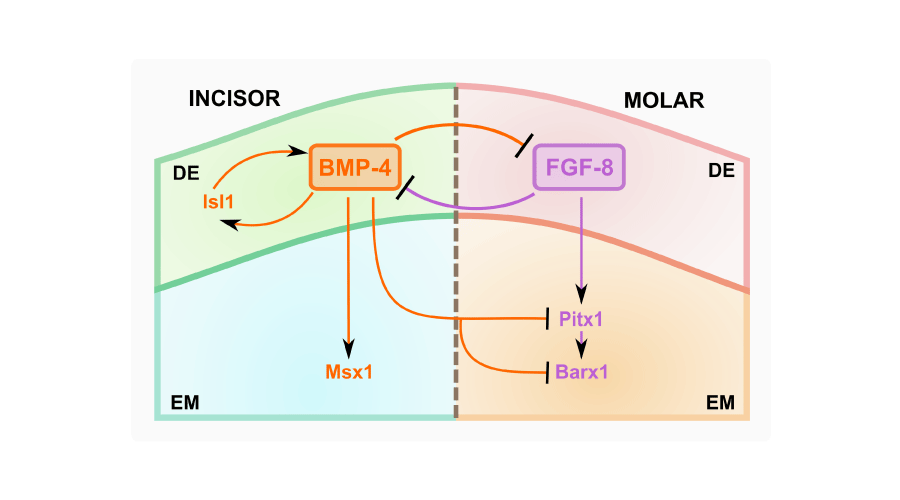
In Table 1 [9-13] we can see which factors are implicated in molar and/or incisor formation such as Lhx6 and Lhx7 which control the acquisition of odontogenic potential by molar mesenchyme [14,15], in response to epithelial FGF-8 [15], or Dlx1 and Dlx2 which specify a subpopulation of neural crest derived mesenchymal cells as odontogenic for the upper molar region [10].
In Figure 1 [9,12,16-18], it has been shown interaction between some factors which determine tooth type and position.
Thickening of dental epithelium and mesenchymal condensation: Epithelial BMP-4 and FGF-8 are essential in control of target genes transcription at this stage. They interact, BMP-4 as inhibitor and FGF-8 as inducer, and lead to different responses (Figure 2) [7,16,19] controlling epithelial proliferation.
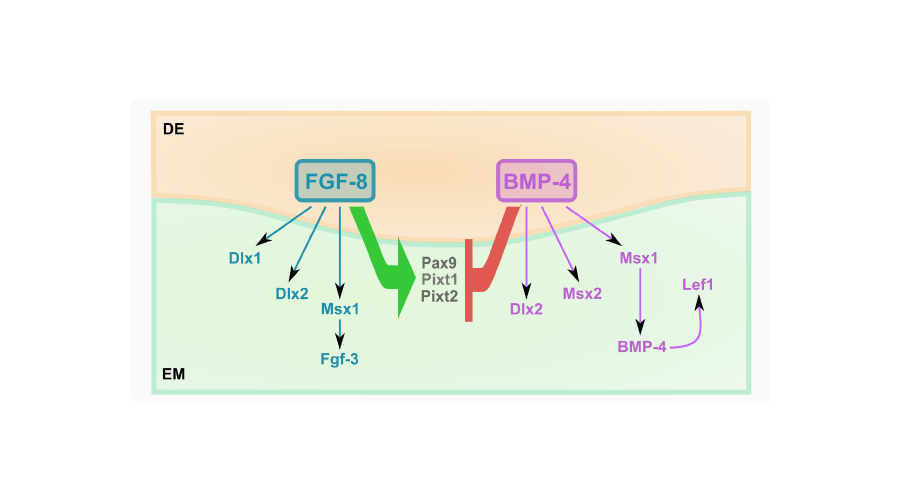
About mesenchymal condensation during tooth initiation, Mammoto et al. (2011), show that this process is controlled mechanically and chemically. They explain that early dental ectoderm, at E11, produces Fgf-8 which is stored in basal membrane (interface between dental ectoderm and ectomesenchyme) and later it is released over time, until E13, inducing the migration and attraction of ectomesenchymal cells toward epithelial boundary. At the same time dental ectoderm also produces Sema3f which repulses the migrating cells causing them to pack at the mesenchymal interface and form the condensed mesenchyme by E13. As a result some critical odontogenic genes are induced (Pax9, Msx1, BMP-4) leading to subsequent tooth organ formation [20].
Transition to bud stage: The transition to bud stage in mice occurs from E11.5 until E12.5. There are only few researches which study this transition.
Activin-βA is believed to be essential in early mesenchymal signaling, between E11.5 until E12.5, inducing changes in the mesenchyme let the transition to bud stage [13]. Although Activin-βA role in this transition still remains unknown [13].
Epithelial Fgf-8 has also a role in this process inducing the mesenchymal expression of Fgf-3 by Msx1-dependent pathway when the odontogenic potential moves to ectomesenchyme. But it is known that Msx1 is no sufficient for Fgf-3 expression [19] so future studies are necessary. Lhx6 and Lhx7 are also related to acquisition of odontogenic potential by dental mesenchyme [15].
BCL11B seems to be necessary for the proper timing of epithelial proliferation, invagination and down-regulation of epithelial Bmp-4 [21]. And Shh affects epithelial cell proliferation to produce a tooth bud [8,22,23]. Both processes are important for transition to bud stage in tooth development.
Bud stage
During this period the tooth bud appears in each arch for proliferative activity of basal cells of ectoderm [24] and the condensation of ectomesenchymal cells also continues [20,25]. The development dominance shifts from ectoderm to ectomesenchyme at early phase of this stage [26].
Epithelial cell proliferation: Several factors are implicated in epithelial cell proliferation at this stage; an important one is mesenchymal BMP-4 that acts as a paracrine molecule inducing or keeping the gene expression of Shh and Bmp-2. One study shows BMP-4 regulates Bmp-2 expression throughout Shh regulated by BMP-4 concentration-dependent manner [27]. Another study shows a relationship among Wnt/β-catenin signaling, Bmp-4, Msx1 and Msx2 expression. They propose a model where Bmp-4 mediates Msx expression downstream of Wnt controlling epithelial cell proliferation [28]. Recently, one study proposes an orchestration of non-canonical BMP and Wnt/β-catenin signaling in controlling of cell epithelial proliferation and fate [29]. Non-canonical BMP signaling induces epithelial p38 and ERK1/2 which control cyclin D1 expression in dental epithelial cell proliferation [29] and Wnt/β-catenin signaling sustains Pixt2 epithelial expression determining cell fate of dental epithelium. Wnt/β-catenin signaling also regulates epithelial cell proliferation synergistically together with BMP signaling [29].
Other studies support the importance of Shh in epithelial cell proliferation to produce tooth bud [22] and suggest Shh down-regulates, acting as a proliferative factor, at early bud stage and re-initiates in cells at the tip of the late bud, maintaining survival of these cells [23]. Tβ4 is suggested to be involved in the proliferation of oral epithelial cells during bud and cap stage, but further studies are needed to know its role in this cell proliferation [30].
Mesenchymal cell proliferation and condensation: Pax9 may be important in pattern of developing tooth ectomesenchyme since this factor seems to take part in the activation of mesenchymal odontogenic factors leading tooth morphogenesis from the early bud stage [31] and in the maintenance of Osr2 expression to restrict Msx1-mediated propagation of mesenchymal odontogenic program lingual along the tooth development field [26,31–34]. Pax9 acts genetically upstream of both Msx1 and Osr2, Osr2 suppresses the mesenchymal odontogenic program through physical interactions with Msx1 and Pax9 proteins [31].
It is suggested Msx1 is essential for regulation of CNC (cranial neural crest) cell proliferation, differentiation [25] and for specification the fates of these progenitors during tooth morphogenesis [25,35]. p19INK4d expression is inhibited by Msx1 facilitating the formation of the cyclinD/CDK complex and phosphorylation of Rb protein, thus Msx1 permits the cell cycle transcription factor E2F which regulates the cell cycle genes expression and progression of the cell cycle [25]. Mxs1 mesenchymal expression is controlled by Smad1/5/8 which transduce BMP signal independently of Smad4, known as atypical canonical BMP signaling pathway since Smad4 is not essential for BMP/Smad signaling [35].
In section “Thickening of dental epithelium and mesenchymal condensation” we explain the role of Semf3a and Fgf-8 which act physically and chemically in mesenchymal condensation during initial and bud stage [20].
Transition to cap stage: The transition to cap stage is the beginning of morphologic differences between the different tooth types [2].
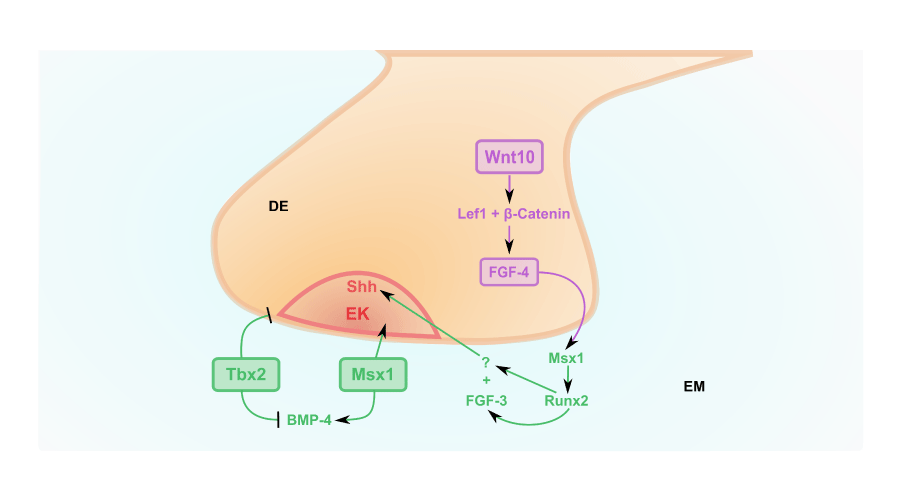
Msx1 takes part in transition to cap stage throughout ectomesenchyme proliferation and condensation, how we explain in section “Thickening of dental epithelium and mesenchymal condensation”. A well-condensed ectomesenchyme is essential for this transition since cell mass acts upon dental epithelium stimulating cell proliferation and preventing apoptosis [25].
PDGF-A and its receptor, PDGFR-α, are associated with the cranial neural crest-derived mesenchyme cells since PDGF-A induces DNA synthesis to increase the cell proliferative activity within enamel organ epithelium contributing the transition to cap stage [36]. Runx2 may be also implicated in this transition to cap stage, but further studies are necessary to explain its role [37].
In Figure 3 we can see other pathways which are related with the enamel knot formation and induction [38-40].
Cap stage
During this stage epithelial cells increase their proliferative activity and the deep surface of buds invaginate producing dental germs. In this moment each dental germs are formed by enamel organ, dental papilla and dental follicle [2,24].
Enamel organ is formed by four different layers: outer enamel epithelium, stellate reticulum, stratum intermedium and inner enamel epithelium. The ectomesenchyme surrounded by the invagination is known as dental papilla and will develop originating dentin-pulpar complex. And the dental follicle will form supporting structures (periodontal ligament, cementum and alveolar bone) [2,24].
Finally an important structure appears during this stage in dental epithelium, the primary enamel knot. It is a transitory structure which defines crown shape [41]. The enamel knot controls the formation of tooth cusps [42]. In multicuspid teeth will appear secondary enamel knots at bell stage [43].
Primary Enamel Knot (PEK): It is suggested tooth cusp formation is regulated by a balance between cell apoptosis in enamel knot and cell proliferation in dental epithelium [44]. In Figure 4 [42,45-47], it is shown some pathways implicated in the control of cell proliferation by enamel knot.
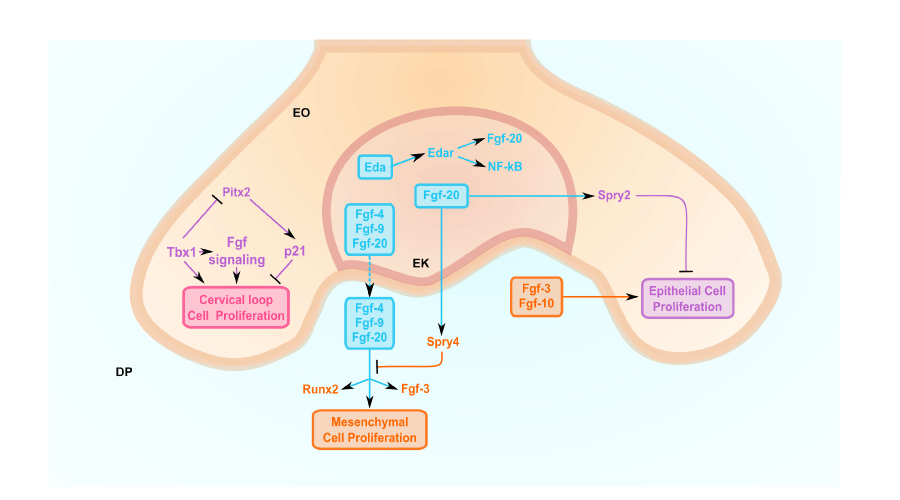
Several factors are related to enamel knot. Shh is a well-known factor but its function in enamel knot is still unknown, although it is suggested dental papilla is a target for Shh. But they finally conclude Shh and Bmp2 expression in the enamel knot could be dispensable for tooth patterning since the observation of cell apoptosis in enamel knot and cell proliferation in dental epithelium remain unaltered in Msx1-Bmp-4 transgenic mice [44]. Another study suggests that Shh signals directly to lingual cells of enamel knot producing an ingrowth of the lingual epithelial invagination because of Ptch expression, a Shh receptor, has been observed in the lingual epithelial invagination [48]. Shh has also been related to Fgf-4 to co-ordinate the surrounding cells of enamel knots [42,49] and it seems these factors may functionally interact with c-Myb inducing its expression in the underlying mesenchyme of enamel knots [50].
Apoptosis is an important part in enamel knot development. Various factors are known to regulate cell death, such as Bmp2, Bmp4 and Bmp7 which seem to act as autocrine signals within the enamel knot cells [44,51]. Jernvall J, et al., determine that the role of mesenchymal Bmp-4 is the stimulation of p21 expression in enamel knot at early cap stage ceasiting the proliferation in enamel knot [51]. p38α MAPK pathway also controls p21 expression in response to BMP2/7 [52]. BMP-4 is necessary for expression of Zeb1 and Zeb2 in the enamel knot too [53]. FGF-4 and FGF-9 are involved in apoptosis, but in prevention of untimely apoptosis of enamel knot cells [54,55]. Enamel knot cells seem not to express FGF receptors and they remain non-proliferative undergoing apoptosis in the distal part of enamel knot [51]. Recently, Wnt5a also seems to be implicated in cell death but in dental non-regions, although in dental regions Wnt5a acts as a direct or indirect regulator of Fgf-10, Bmp-4 and Shh, which are involved in cell proliferation, cusp formation and the determination of tooth size [56]. p63 gene has also related to the enamel knot apoptosis [51,57]
TGF-β2 has been related to secondary and primary enamel knots but it has not already known its role in theses transitory structures [58].
Cell proliferation: In Figure 4 [42,45–47] we describe some important pathways in cell proliferation in different tissues during cap stage.
Epithelial cell proliferation FGF-4 and FGF-9 stimulate epithelial cell proliferation, but no in enamel knot because FGFs receptors lack this stimulation [42,46,54,59,60]. Other factors that have effect on cell proliferation in enamel organ are HGF [61], Sp6 [62], Tβ4 [30], YAP [63] and EGF, the last one seems to stimulate the DNA synthesis increasing the cell number within the enamel organ epithelia [64]. In case of YAP, the overexpression of this factor in dental epithelium may affect cell movement and/or cell polarization producing the enamel knot fail to move to the tip of the enamel organ [63]. Sp6 function is mediated by phosphorylation of pRb releasing E2F from a pRB-E2F complex to activate cell proliferation [65,66].
Msx2 takes part in the formation of stratum intermedium through the regulation of its cell proliferation [67].
Mesenchymal cell proliferation In addition to the factors shown in Figure 4 [42,45-47], HGF has an indirect effect on cell proliferation in dental papilla since HGF-stimulated inner dental epithelium increases proliferation activity and begins or improves an unknown factor synthesis which regulates cell proliferation in dental papilla [61]. Msx1 promotes dental mesenchyme proliferation too, regulates the cell cycle of dental mesenchymal cells and prevents odontoblast differentiation by inhibition of Bmp-2 and Bmp-4 expression during cap stage [68].
PDGF-BB and PDGFRβ signalling might be important for mesenchymal proliferation [69] and c-Myb induces the proliferation of underlying mesenchyme of enamel knot [50].
Cervical loops cell proliferation FGF-10 and possibly FGF-3 (the study can’t ensure completely) stimulate epithelial cell proliferation in the cervical loops [46] since the expression of tyrosine receptors for FGF-10 and FGF-3, FGFR1b and FGFR2b, are restricted to the dental epithelium [54]. Lhx6 also takes part in the control of cell proliferation in cervical loop [70].
Transition to bell stage: There is no very much information about this process. It seems that three FGF receptors (FGFR2b, FGFR1b and FGFR1c) expressed in the cervical loops stimulate cell proliferation contributing to the transition [46]. Canonical Wnt/β-catenin signaling also seems to be implicated in transition to bell stage through enhancement of dental papilla cell proliferation [71]. Future studies are necessary to clear this mechanism.
Bell stage
During bell stage the invagination of inner dental epithelium increases acquiring a bell shape and histochemical changes occur in enamel organ, dental papilla and dental follicle [24].
Stratum intermedium appears in enamel organ between stellate reticulum and inner dental epithelium. This new cell layer is larger in sites of presumptive cusp and incisor edge [24].
Odontoblast and ameloblast differentiation from dental papilla and inner dental epithelium, respectively, are important processes at this stage. A basal membrane is separating these cell layers [24]. When odontoblasts start to secrete dentin matrix, the basal membrane breaks up and degrades, allowing direct interaction between preameloblasts and predentin [72].
Crown shape will be defined at this stage through specific signal of dental papilla in inner dental epithelium, these signals fold this cell layer determining the shape, number and position of cusp [24]. Later, inner dental epithelium exerts its inductive capacity above dental papilla leading to odontoblast differentiation. Then, the inner dental epithelium cells begin to differentiate in ameloblast [24]. Although one study is against this theory and suggests that ameloblast differentiation might be independent of functional odontoblast differentiation since the mineralized tissue, bone-like tissue, is sufficient for ameloblast differentiation [73].
Finally, secondary enamel knots (SEK) are transitory structures which appear in enamel organ of multicuspid teeth during this stage of tooth development [43].
Secondary enamel knots (SEK): Various studies have been suggested that role of factors could be different in primary and secondary enamel knots. For example, Fgf-4 and Shh expression in primary and secondary enamel knots coordinate proliferation in surrounding cells [42,49]. Both factors functionally interact with c-Myb and induce its expression only in the underlying mesenchyme of secondary enamel knots [50]. Another factor which seems to have different roles in PEK and SEK is TGF-β2 since its immunoreactive locations show some differences in PEK and SEK. In PEK, this factor is expressed in cells adjacent to and away from basement membrane and in SEK only appears in cells away from the basement membrane [58]. Fgf-4 and also Fgf-9 shift from the PEK to the forming SEK [54].
Wnt signaling is important in molar cusps development [28]. Liu Fei et al. induced ectopic expression of Dkk1, an inbitor of Wnt signaling, at early bell stage producing dull defects in cusp phenotype. At molecular level, Wnt inhibition down-regulates enamel knot marker p21 in dental epithelium, Bmp-4 is slightly affected and regulator of cusp development Eda is reduced. Together, these data suggest Wnt/β- catenin signaling is required for maintenance of the enamel knots and determination of tooth shape [28].
The position of secondary enamel knots are defined by a signal from primary enamel knot [74]. Two studies suggest the importance of Eda in this process. Liu Fei et al. propose a competition between Eda and Wnt in the establishment of enamel knots boundaries in molar [28]. However, Laurikkala Johanna et al. determine Eda expression, which is stimulated by BMP-2, BMP-4 and BMP-7, around enamel knot establishes the locations of SEK. This stimulation is cointeracted by enamel knot factors Shh and FGF resulting in an ectodin-negative area around the enamel knot which determines the target field of BMP signaling [75].
Other molecules seem to be implicated in SEKs such as Wnt10a [76] and FHL2 [77].
Odontoblast: It is known many different factors are implicated in odontoblast differentiation and its maturation.
Runx2 and Runx3 co-operate regulating Osterix expression during odontoblast differentiation [78]. FHL2 interacts with Runx2 and β-catenin inducing odontoblast , ameloblast differentiation and dentin formation [77].
Klf10 induces odontoblast differentiation through the up-regulation of odontoblastic differentiation markers in the dental papilla cells(Dmp1 and Dspp genes) [79].
Shh signaling is necessary for the elongation of the odontoblasts [48] and c-Myb regulates the calcium level in odontoblasts and ameloblasts and contributes to the mineralization of dentin and enamel during its production [50].
There are two factors related to stem cell population. Rb1 expression in dental mesenchymal stem cell populations is lower to prevent its differentiation, however its expression is upregulated in differentiating cells (odontoblast and ameloblast) [80]. Oct-4A is also implicated in stem cell niche formation, which regulates differentiation into ameloblast and odontoblast [81]. Another study shows that Oct4/3A regulates apoptotic genes to control the balance between apoptosis and cytodifferentiation and it seems to be important in the maintenance of odontoblast characteristics [82].
FGF signaling takes part in odontoblast life. FGF-2 plays a role in the formation of enamel and dentine through regulation of proliferation and differentiation during cap and bell stage [83], and is also implicated in odontoblast polarization [84]. Down-regulation of Fgf-3 and Fgf-10 expression is necessary for odontoblast maturation [46]. Twist1 seems to regulate FGF signaling in dental mesenchyme, being required for terminal differentiation of dental mesenchymal cells into odontoblast [85].
Another factor which has been implicated in prevention of odontoblast differentiation is MSX1 that realizes its role through the inhibition of Bmp-2 and Bmp-4 expression at the cap stage during tooth development [68]. Bmp-2 is known to act during odontoblast differentiation since this factor activates DSPP [86,87] via NF-Y signaling [86]. DMP1 and ATF6 are regulated by BMP-2 in odontoblast differentiation [87]. Bmp-2 is also related to pulp blood vessels and associated pericytes since Bmp-2 establishes a relationship with Vegf-A which are implicated in blood vessel and associated pericytes development [88]. The lack of Bmp-2 results in a decrease of dentin quantity and quality because of a failure in odontoblast differentiation and production of necessary terminal products such as collagen type I and Dspp expression [88]. Ang1 and Tie2 are related to blood vessels development at odontogenesis, since Ang1 and Tie2 are expressed in odontoblast and endothelial cells, respectively, at the onset of odontoblast differentiation suggesting a role of Ang1 in capillaries invasion into odontoblast layer [89].
Wnt signaling is also implicated in odontoblast differentiation. Wnt10 is related to cell matrix interactions which regulate odontoblast differentiation, since cell-matrix interaction is essential for induction of Dspp expression that is downstream molecule for Wnt10a [76]. Wnt5 is suggested to take part in odontoblast differentiation being mediated by Ror2 [90].
Lef1 controls odontoblast differentiation [91–93] through the regulation of different important genes for this process. Lef1 regulates the terminal odontoblast differentiation through regulation of DSPP, osteocalcin and ALP mRNA expression [92]. It has been also shown a relationship between the expression pattern of Lef1 and Dspp, P21(necessary in early phases of differentiation since P21 expression is attenuated in mature odontoblast), Hsp25 and HSP25 in differentiation of odontoblasts in two contexts, dentinogenesis in continuously growing incisor and the crown and root dentin formation of molar with limited growth [94].
TGF-β1 induces odontoblast differentiation through Smad signaling pathway at early odontoblast differentiation but NFI-C modulates late odontoblast differentiation and mineralization [95]. At the onset of odontoblast differentiation TGF-β1 signaling induces p-Smad2/3 increasing the binding of NFI-C in the cytoplasm [95]. Additionally, MAPK is activated by TGF-β1 signaling resulting in the increase of interaction between phosphorylated NFI-C and Smurf1/2 [95]. Taken together, activation of TGF-β1 and MAPK enhance the interaction and formation of Smad2/3-NFI-C-Smurf1/2 complex which results in the NFI-C degradation. However at late odontoblast differentiation and mineralization, NFI-C signaling stimulates dephosphorylation of p-Smad2/3 [95].
TGF-β and BMP signaling pathways work together to control odontoblast differentiation [73,96] during dentinogenesis since Smad4, the common mediator for the canonical TGF-β/BMP signaling pathways [73], is essential for odontoblast differentiation [73]. The lack of Smad in a mutant produces morphological and functional defects in odontoblast during dentinogenesis [73]. In addition, this study provides the first evidence that TGF-β/BMP and Wnt signaling work together to ensure proper cell fate determination during postmigratory neural crest cell development and organogenesis [73] since they found that the ablation of mesenchyme Smad4 results in ectopic bone-like structure formation in the dentin region and enhances Wnt pathway and when they suppress upregulated canonical Wnt pathway in mutant dental mesenchyme partially rescues the CNC cell fate change [73]. Taken together, TGF-β/BMP signaling depends on Smad4 to regulate Wnt signaling during dentinogenesis through control of Wnt inhibitors, Dkk1 and SFRP1 expressed in dental mesenchyme and odontoblast [73].
It seems that Wnt-BMP signaling operates in odontoblast and ameloblast differentiation where Sp6 acts as activator of Wnt/β-catenin signaling in dental mesenchymal preodontoblastic cells [62]. This role of Sp6 in control of Wnt-BMP signaling is supported by Aurrekoetxea et al. 2012, [71].
Some factors need further investigations to find out their role in these processes. For instance Midkine gene [97], Fgf-9 [54], KLF4 [98], OASIS [99], Pax6 [100], NGF [101], Tβ4 [30,102], PDGFBB [69] and its receptor, PDGFRβ [69], Nanog [81], FGF-1 [84], Runx2 [37,103], GEP [104], FAM20C [105], Bcor [106], HGF [61], Trps1 [107], Sp6 [65] and Bcl-2 [108].
Ameloblast: Several molecules have been shown to take part in ameloblast and odontoblast life for example Oct3/4A how we explain in section “Odontoblast” [81,82] or role of FHL2 in these cells differentiation which have been also described in “Odontoblast” [77]. Interaction between Wnt-BMP signaling regulated by Sp6 takes also part in ameloblast differentiation and it is suggested that disturbed Wnt-BMP signaling at bell stage producing a blockade of amelogenesis and an absence of preameloblastic Shh expression [62]. Since Shh is essential for preameloblast growth, polarization and proliferation, this last one throughout cell promotion of cyclin D1 transcription controlling cell cycle transition [109], and BMP is required for development and polarization of preameloblast [110].
BMP and Shh signaling also control ameloblast differentiation but through the modulation of important genes in ameloblast differentiation. BMP-2 controls expression levels of p75Ngfr and amelogenin, the well-known ameloblast differentiation markers and decreasing Hes1, a marker for stratum intermedium. Ectodin is also induced by BMP-2 forming a negative feedback loop to control ameloblast differentiation [111]. And Shh up-regulates amelogenin and ameloblastin expression directly [112].
Other molecules implicated in control of genes related to ameloblast differentiation are PDGF-AA which controls ameloblastin expression, a marker of differentiated ameloblast too [69], and Sp6 which activates mRNA expression for ameloblastin, an important regulator to maintain the differentiation state of ameloblasts [65].
Msx2 controls ameloblast differentiation since this factor acts as a transcriptional repressor of mouse amelogenin gene in a dose-dependent manner through inhibition of DNA binding C/EBPα activity, a transcriptional activator of amelogenin promoter [113]. Msx2 is also related to terminal ameloblast differentiation and enamel formation controlling the maintenance of cell adhesion complexes between ameloblast through the regulation of laminin5α3 expression [67].
Recently some studies are suggesting that ameloblast determination occurs during bud stage in early progenitor, a small proportion of dental epithelial cells [114], which express Tbx1 in dental epithelium at E12.5 (bud stage). Progressively Tbx1 expression is restricted to inner dental epithelium where this factor regulates directly or indirectly amelogenin expression in dental epithelial cells. Tbx1 expression in dental epithelium is activated/maintained by FGF molecules forming a regulatory loop. Tbx1, in dental epithelium with amelogenin induction, and FGFs in dental papilla, control the proliferation and survival of the ameloblast precursors [114]. A later study supports this theory and adds that cells of the stem cell niche at the cervical loop of the rodent incisors express Tbx1, develop into ameloblasts and synthetize enamel [115].
Finally many other factors participate in ameloblast differentiation such as KLF5 [98], Klf10 [79], OASIS [99], FGF-9 [54], Pax7 [100], Rb1 [80], Krox-25 [116], GEP [104], TGF-β2 [58], c-Myb [50], FGF-2 [83], HGF [61], HGF [117], Six1 [118], Six4 [118] and Nanog [81], although their roles have not been described. KLF4 [98], is known to take part in primary differentiation of ameloblast and these others, FAM20C [105,119], Runx2 [103] and the down-regulation of Fgf-3 and Fgf-10 [46] in terminal differentiation of these cells. MMP20 is necessary for ameloblast cell movement [120].
Appositional stage
During this stage odontoblast and ameloblast are going to secrete and mineralize the dentine and enamel matrix [24]. Ameloblast and odontoblast life is divided into secretory, transitional and mature phases according to their activity [30].
Dentinogenesis: The dentinogenesis mechanism has been widely studied. During this process there are two important parts: dentin matrix secretion and mineralization of dentin. In Table 2 [50,77,79,81,83,84,92,94,98,100,107,121-124], it has been classified different factors according to if its role has effect on dentin secretion and/or mineralization, although this classification is not definitive, further studies could change it.
Trps1 has a context-dependent role in dentine mineralization [107]. Trps1 is necessary for the matrix vesicles dependent initiation of mineralization through supporting expression of two phosphatases involved in hydroxyapatite formation (Alpl, Phospho1) and for transcription factors expression required for this process (Runx2, Sp7). At later stages of dentine mineralization, Trps1 acts as inhibitor by the suppression gene expression related to mineral propagation within extracellular matrix (Vdr, Phex) [107].
In section “Odontoblast” it has been described a relationship between TGF-β/BMP and Wnt signaling which is important for odontoblast differentiation and for dentinogenesis too [73]. TGF-β family is clearly implicated in dentinogenesis [96,125] since TGF-β2 overexpression by odontoblast alters dentine formation affecting its elastic modulus in male mice [125].
Once again we have to make an allusion to section “Odontoblast” where it has been explained the Bmp-2 lack from odontoblast effects in dentin resulting in a decrease of dentin quality and quantity [88].
In Table 3 [76,79,88,92,94,104,121–124,126], it is related growth or transcription factors to a or several proteins and genes which are important for dentine formation. For example, TGF-β3 controls the induction of collagen type I and osteocalcin providing an organic framework for deposition of inorganic components such as calcium [121]. c-Myb has also influence in calcium level in odontoblast controlling the mineralization of dentin matrix [50]. TGF-β1 mediates dspp expression [121,122] but decreasing it during dentin mineralization [122]. And Klf10 induces mineralization of dentin formation via upregulation Runx2, Dmp1 and Dspp [79].
Finally other factors have been related to dentinogenesis but further studies are necessary to determine their specific roles. These factors are FAM20C [105], TGF-β2 [58,127], p63 [57], Ang1 [89], Tie2 [89], IGF-I [126], FGF-2 [83] and Bcl-2 is related to prevention of dentinogenesis partially via inhibition of odontoblast differentiation [108].
Amelogenesis: Similar to dentinogenesis, in amelogenesis many different factors have also effects on enamel secretion and/or mineralization, thus we design again a Table where the factors are classified according to its role in secretion and/or mineralization (Table 4) [50,52,67,77,83,98,100,103,119,126,128-134].
At secretory stage of amelogenesis, Runx2 and ODAM cooperate to active transcriptionally MMP-20. Runx2 regulates ODAM protein expression which in turn regulates MMP-20 promoter activity [129]. During this period Msx2 also controls laminin5α3 expression leading ameloblast terminal differentiation, although it is not known how these two molecules are integrated in a pathway [67].
TGF-β2 overexpression by odontoblast may affect enamel development since dental mesenchyme has influence on enamel formation resulting in more porous and weaker to caries enamel [125]. However one study has suggested that ameloblast differentiation does not depend on functional odontoblast [73], so further studies are necessary for determining the influence of functional odontoblast on enamel development.
Sp6 has also effect on amelogenesis through Wnt/β-catenin signaling activation in mesenchymal preodontoblastic cells [62]. Other studies have related Sp6 to amelogenesis via down-regulation of follistatin gene expression [135], which may function in BMPs antagonism in ameloblast [110,135,136]. RhoA-MKK6-p38α signaling axis is crucial for enamel secretion since they induce p21, amelogenin and ameloblastin genes and p21 transcriptional activation by BMP-2/7 [52].
In Table 5 [52,69,104,111,126,128,131–133,137–141] we related factors to different proteins and genes of enamel formation. For example, C/EBP-α and YY1 interact co-operatively which seem to contribute to the down-modulation of amelogenin gene expression [141]. Another example is the hierarchical interaction represented in Figure 5 [139]. Tβ4 regulates Runx2 mRNA expression which also controls some component of enamel matrices (Table 5) [123]. And amelogenin expression by DLX2 could be mediated by MSX2 [133].
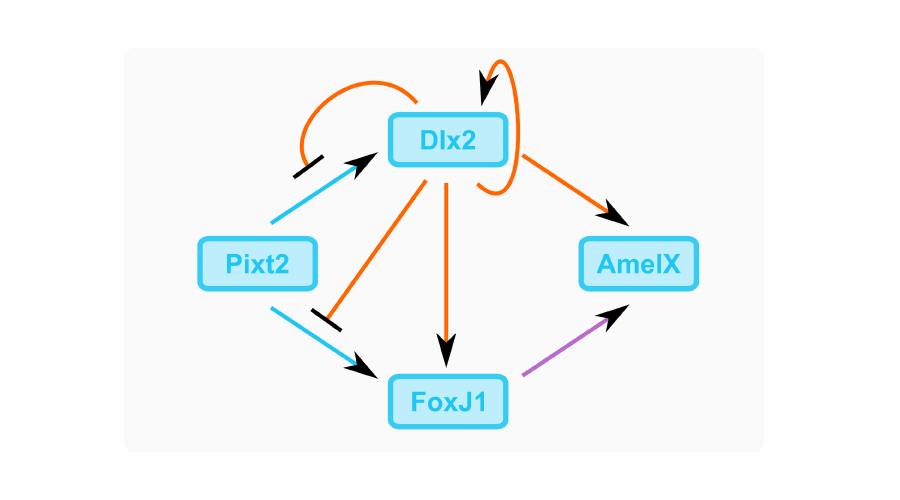
Finally other factors have been demonstrated to take part in enamel formation, but there are necessary further studies to find out its role during this process. This factors are STAT-l, -2, -3 and -4 [142], p63 [57], Krox-25 [116], Bmp-2 [143] and Xbp1 [144].
Root development
Tooth root development is initiated when crown morphogenesis ends at the end of appositional stage [145,146]. During this stage dentin-pulp complex and supporting structures are derived from ectomesenchyme and dental follicle [24]. Bcor and FHL2 might be involved in root development but their roles still remain unknown [77,106].
Transition to root development: During root development, the transition from dental cervical loop to HERS is generally regarded as the beginning of root formation [147–149]. However, the functional mechanism of HERS in guiding root development is still unclear [147,148,150,151]. It has been considered three mechanisms for this transition to root formation; first the cessation of IEE growth becoming differentiated ameloblast, then the formation of HERS with the fusion between IEE and OEE below the level of the crown cervical crown and finally the fragmentation of dental epithelium [152]. Respect formation of HERS, it has been demonstrated that OEE proliferates more actively than IEE so they hypothesize that OEE elongates downwards below the crown cervical margin producing a bilayered epithelial sheath, HERS [152,153]. IGF regulates this un-balanced proliferation activity between OEE and IEE in autocrine and paracrine manner favouring root elongation [153]. BMP-4 also has influence in HERS cell proliferation through the control of HERS length [154].
Various factors have been related to these processes. Egf promotes the proliferation and maintenance of enamel organ so its disappearance is very important to initiate HERS formation [149]. The disappearance of Fgf-10 is also important to cessation of crown formation and the beginning of root development [152], and it seems that TGF-β/BMP signaling in epithelial cells are inhibiting mesenchymal expression of Fgf-10 [155], there are other studies which support the idea of TGF-β/BMP signaling role at initiation of root development [59,156–158]. However, the presence of HGF induces the proliferation of HERS cells and its formation [159]. It has been suggested Bmi-1 regulates self-renewal in the HERS proliferative region by inhibition of apoptosis and cytodifferentiation and by promotion of the cell cycle [160]. Oct3/4A enables the precursor cells to maintain the balance between amelogenesis and root elongation throughout control of its cellular localization [160]. However, the cross-talk among Oct3/4, Bmi-1, apoptosis, proliferation and cytodifferentiation pathways is still largely unknown so further studies are needed [160].
Odontoblast and dentinogenesis at root development: HERS controls odontoblast differentiation, dentin formation and the subsequent periodontal tissues formation through epithelial-mesenchymal interactions [161,162]. The mechanism which occurs during dentin crown and root formation are different [163–165].
In Table 6 [76,88,92,94,103,105,154,159,163,165-176], we can see which factors are implicated in odontoblast differentiation and/or dentin development.
TGF-β/BMP signaling role in root dentin formation has been widely studied [88,96,154,155,166]. The ablation of Smad4 results in altered odontoblast polarity, a decrease of Dspp expression and in a mineral dentin apposition rate suggesting intracellular Smad4 takes part in a positive feedback loop in TGF-β/BMP signaling pathway in terminal odontoblast differentiation [166]. Another study increases the knowledge about TGF-β/BMP signaling role in root dentin development proposing a Smad4-Shh-Gli1-Nfic signaling pathway, since epithelial Smad4 is necessary for Shh expression, then Shh releases from dental epithelium, acts through Gli1, and induces mesenchymal expression of Nfic controlling interaction between HERS and dental mesenchyme [155]. The idea of relationship between TGF-β/BMP signaling and Nfic at root dentin formation is also supported by other studies where it is determined Nfic plays a role in differentiation of terminal odontoblast from preodontoblast and its function [163,167,177]. Nfic has been related to intercellular junction formation through regulation of junction component expression and to odontoblast apoptosis in a cell-specific manner but this mechanism still remains unknown [167]. The role of BMPs has also supported by other studies where BMP-4 has also been demonstrated to act as stimulant for odontoblast differentiation at root development [154] and deletion of Bmp-2 gene in early odontoblast results in a more pronounced effect on root dentin than effects explain at section “Odontoblast” [88].
A recent study has also related Nfic to odontoblast differentiation [174]. They propose the Nfic-Klf4-Dmp1-Dspp cascade where Nfic directly binds to Klf4 promoter transactivating its expression [174]. Klf4 promotes odontoblast differentiation by up-regulation of Dmp1 binding its promoter and consequently Dmp1 induces Dspp expression during odontoblast differentiation [174,178-181]. They also propose another cascade Nfic-Klf4-E-cadherin, which is important for regulation of odontoblast differentiation as well as their functional implication in dentin formation, but further studies are necessary [174].
Wnt/β-catenin signaling is another pathway which has been determined to take part in root dentin formation. Wnt/β-catenin signaling roles at root dentin formation depend on differentiation stage [168], since overexpression or suppression of Lef-1, a nuclear effector of Wnt/β-catenin signaling, in dental pulp cells might accelerate and inhibit odontoblast differentiation and mineralization, respectively [92]. Lef-1 is also implicated in the regulation of odontoblast differentiation through the control of Dspp expression [94]. Based on temporospatial regulation of Wnt/β-catenin signaling, it is known the inhibition of this signaling is required for dentin and cementum mineralization [168], but its activation is necessary for odontoblast and cementoblast differentiation [168,169]. Other studies support this role of Wnt/β-catenin signaling in dentin formation at root development, such as co-expression of Wnt10a with DSPP in odontoblast regulation DSPP transcription [76], regulation of secretion and/or mineralization of dentin matrix by Wnt/β-catenin signaling in part via FGF-18 expressed by odontoblast and sub-odontoblastic layer cells [170]. FGF signaling is also related to Wnt/β-catenin signaling through β-catenin inhibition by activation of PI3K/Akt pathway regulation subcellular localization of active GSK3β in mesenchymal cells, so FGF signaling controls proper fate of dental mesenchyme [171].
Finally it has been related TGF-β/BMP signaling with Wnt/β-catenin signaling. A loss of SMAD4 leads to up-regulation of Wnt/β-catenin signaling, via down-regulation of Dkk-1 and secreted frizzed-related protein. On the contrary constitutive stabilization of β-catenin in odontoblast induces up-regulation of SMAD4. So it seems SMAD4 is required for Wnt inhibitors up-regulation to compensate the persistent Wnt/β-catenin signaling activation in odontoblast controlling terminal odontoblast differentiation and dentin matrix formation at root development [165].
Tooth supporting structures and their cells: The supporting structures of tooth are cementum, alveolar bone and periodontal ligament and derive from dental follicle. HERS takes part in development of periodontal tissues throughout epithelial-mesenchymal interaction [161,162].
In Table 6 [76,88,92,94,103,105,154,159,163,165-176], we can see the factors, which take part in supporting structures development, related to cells and matrix where they act.
HGF stimulates periodontal tissues development in an indirect manner through the growth of HERS [159].
Various researches have studied the role of Wnt-βcatenin signaling in dental follicle and show that Wnt-βcatenin signaling has an important role in the control of cementoblast differentiation [168,169,182] and cementum mineralization [168,182]. It is suggested Wnt-βcatenin signaling is required for Npp1 expression in cementoblast to keep the cementum and periodontium integrity, although further studies are necessary [165]. An in vitro study proposes that Wnt3 inhibits cementoblast differentiation through the inhibition of Runx2 expression, which together with Osterix control expression levels of ALP, BSP and OCN in cementoblast and osteoblast differentiation, but enhances cell proliferation [175]. Another research shows a feedback mechanism between canonical and noncanonical Wnt signaling during dental follicle cells differentiation [182]. It seems that Wnt5 acts as a negative regulator of canonical Wnt3a-mediated ALP dental follicle cells expression and does not affect the nuclear translocation of β-catenin as well as β-catenin-mediated transcriptional activation of Tcf caused by Wnt3a so Wnt5a inhibits the downstream part of β-catenin-Tcf pathway [182].
Conclusion
We can conclude that Odontogenesis is a complex embryonic process where many factors could have influence during its development so the study of these factors is very important. We can find a large amount of available information about different pathways and/or presence of the different growth and transcription factors during Odontogenesis, but this information must be compiled and classified to improve the quality of future studies. Instead of this all information further studies are still necessary to find out the roles of many key factors but we are in the right way.
- Thesleff I (2003) Epithelial-mesenchymal signalling regulating tooth morphogenesis. J Cell Sci 116:1647-1648.
- Nanci A (2008) Ten Cate's Oral Histology. Development, Structure and Function. 8th ed. Montreal: Elsevier
- Catón J, Tucker AS (2009) Current knowledge of tooth development: Patterning and mineralization of the murine dentition. J Anat 214: 502-515.
- Mina M, Kollar EJ (1987) The induction of odontogenesis in non-dental mesenchyme combined with early murine mandibular arch epithelium. Arch Oral Biol 32: 123-127.
- Lumsden AG (1988) Spatial organization of the epithelium and the role of neural crest cells in the initiation of the mammalian tooth germ. Development 103 155-169 .
- Mucchielli ML, Mitsiadis TA, Raffo S, Brunet JF, Proust JP, et al. (1997) Mouse Otlx2/RIEG expression in the odontogenic epithelium precedes tooth initiation and requires mesenchyme-derived signals for its maintenance. Dev Biol 189: 275-284 .
- Neubüser A, Peters H, Balling R, Martin GR (1997) Antagonistic interactions between FGF and BMP signaling pathways: A mechanism for positioning the sites of tooth formation. Cell 90: 247-255 .
- Sarkar L, Cobourne M, Naylor S, Smalley M, Dale T, et al. (2000) Wnt/Shh interactions regulate ectodermal boundary formation during mammalian tooth development. Proc Natl Acad Sci U S A 97: 4520-4524.
- Tucker AS, Matthews KL, Sharpe PT (1998) Transformation of tooth type induced by inhibition of BMP signaling. Science 282: 1136-1138.
- Thomas BL, Tucker AS, Qui M, Ferguson CA, Hardcastle Z, et al. (1997) Role of Dlx-1 and Dlx-2 genes in patterning of the murine dentition. Development 124: 4811-4818 .
- Abe M, Tamamura Y, Yamagishi H, Maeda T, Kato J, et al. (2002) Tooth-type specific expression of dHAND/Hand2: Possible involvement in murine lower incisor morphogenesis. Cell Tissue Res 310: 201-212.
- Mitsiadis TA, Angeli I, James C, Lendahl U, Sharpe PT (2003) Role of Islet1 in the patterning of murine dentition. Development 130: 4451-4460.
- Ferguson CA, Tucker AS, Christensen L, Lau AL, Matzuk MM, et al. (1998) Activin is an essential early mesenchymal signal in tooth development that is required for patterning of the murine dentition. Genes Dev 12: 2636-2649.
- Denaxa M, Sharpe PT, Pachnis V (2009) The LIM homeodomain transcription factors Lhx6 and Lhx7 are key regulators of mammalian dentition. Dev Biol 333: 324-336 .
- Grigoriou M, Tucker AS, Sharpe PT, Pachnis V (1998) Expression and regulation of Lhx6 and Lhx7, a novel subfamily of LIM homeodomain encoding genes, suggests a role in mammalian head development. Development 125: 2063-2074 .
- St Amand TR, Zhang Y, Semina EV, Zhao X, Hu Y, et al. (2000) Antagonistic signals between BMP4 and FGF8 define the expression of Pitx1 and Pitx2 in mouse tooth-forming anlage. Dev Biol 217: 323-332 .
- Mitsiadis TA, Drouin J (2008) Deletion of the Pitx1 genomic locus affects mandibular tooth morphogenesis and expression of the Barx1 and Tbx1 genes. Dev Biol 313: 887-896 .
- Vainio S, Karavanova I, Jowett A, Thesleff I (1993) Identification of BMP-4 as a signal mediating secondary induction between epithelial and mesenchymal tissues during early tooth development. Cell 75: 45-58.
- Bei M, Maas R (1998) FGFs and BMP4 induce both Msx1-independent and Msx1-dependent signaling pathways in early tooth development. Development 125: 4325-4333 .
- Mammoto T, Mammoto A, Torisawa YS, Tat T, Gibbs A, et al. (2011) Mechanochemical Control of Mesenchymal Condensation and Embryonic Tooth Organ Formation. Dev Cell 21: 758-769.
- Kyrylkova K, Kyryachenko S, Biehs B, Klein O, Kioussi C, et al. (2012) BCL11B regulates epithelial proliferation and asymmetric development of the mouse mandibular incisor. PLoS One 7: e37670.
- Hardcastle Z, Mo R, Hui CC, Sharpe PT (1998) The Shh signalling pathway in tooth development: defects in Gli2 and Gli3 mutants. Development 125: 2803–2811 .
- Cobourne MT, Hardcastle Z, Sharpe PT (2001) Sonic hedgehog regulates epithelial proliferation and cell survival in the developing tooth germ. J Dent Res 80: 1974–1979 .
- Gómez de Ferraris ME, Campos Muñoz A (2009) Histología, Embriología e Ingenieria Tisular Bucodental .
- Han J, Ito Y, Yeo JY, Sucov HM, Maas R, et al. (2003) Cranial neural crest-derived mesenchymal proliferation is regulated by Msx1-mediated p19INK4d expression during odontogenesis. Dev Biol 261: 183–196.
- Bei M, Kratochwil K, Maas RL (2000) BMP4 rescues a non-cell-autonomous function of Msx1 in tooth development. Development 127: 4711–4718 .
- Zhang Y, Zhang Z, Zhao X, Yu X, Hu Y, et al. (2000) A new function of BMP4: dual role for BMP4 in regulation of Sonic hedgehog expression in the mouse tooth germ. Development 127: 1431–1443 .
- Liu F, Chu EY, Watt B, Zhang Y, Gallant NM, et al. (2008) Wnt/β-catenin signaling directs multiple stages of tooth morphogenesis. Dev Biol 313: 210–224 .
- Yuan G, Yang G, Zheng Y, Zhu X, Chen Z, et al. (2015) The non-canonical BMP and Wnt/β-catenin signaling pathways orchestrate early tooth development. Development 142: 128–139 .
- Choi BD, Yun SHO, Jeong SJ, Wang G, Kim HJ, et al. (2012) Expression of thymosin β4 in odontoblasts during mouse tooth development. Int J Mol Med 29: 841–847.
- Zhou J, Gao Y, Zhang Z, Zhang Y, Maltby KM, et al. (2011) Osr2 acts downstream of Pax9 and interacts with both Msx1 and Pax9 to pattern the tooth developmental field. Dev Biol 353: 344–353.
- Chen Y, Bei M, Woo I, Satokata I, Maas R (1996) Msx1 controls inductive signaling in mammalian tooth morphogenesis. Development 122: 3035–3044 .
- Peters H, Neubüser A, Kratochwil K, Balling R (1998) Pax9-deficient mice lack pharyngeal pouch derivatives and teeth and exhibit craniofacial and limb abnormalities. Genes Dev 12: 2735–2747.
- Zhang Z, Lan Y, Chai Y, Jiang R (2009) Supplement: Antagonistic actions of Msx1 and Osr2 pattern mammalian teeth into a single row. Science 323: 1232–1234 .
- Yang G, Yuan G, Ye W, Cho KWY, Chen Y (2014) An atypical canonical bone morphogenetic protein (BMP) signaling pathway regulates msh homeobox 1 (Msx1) expression during odontogenesis. J Biol Chem 289: 31492–31502 .
- Chai Y, Bringas P, Mogharei A, Shuler CF, Slavkin HC (1998) PDGF-A and PDGFR-α regulate tooth formation via autocrine mechanism during mandibular morphogenesis in vitro. Dev Dyn 213: 500–511 .
- Aberg T, Cavender A, Gaikwad JS, Bronckers ALJJ, Wang X, et al. (2004) Phenotypic changes in dentition of Runx2 homozygote-null mutant mice. J Histochem Cytochem 52: 131–139 .
- Saadi I, Das P, Zhao M, Raj L, Ruspita I, et al. (2013) Msx1 and Tbx2 antagonistically regulate Bmp4 expression during the bud-to-cap stage transition in tooth development. Development 140: 2697–2702 .
- Åberg T, Wang XP, Kim JH, Yamashiro T, Bei M, et al. (2004) Runx2 mediates FGF signaling from epithelium to mesenchyme during tooth morphogenesis. Dev Biol 270: 76–93 .
- Kratochwil K, Galceran J, Tontsch S, Roth W, Grosschedl R, et al. (2002) FGF4, a direct target of LEF1 and Wnt signaling, can rescue the arrest of tooth organogenesis in Lef1-/- mice. Genes Dev 16: 3173–3185 .
- Lesot H, Brook H (2009) Epithelial histogenesis during tooth development. Arch Oral Biol 54: S25–33.
- Jernvall J, Kettunen P, Karavanova I, Martin LB, Thesleff I (1994) Evidence for the role of the enamel knot as a control center in mammalian tooth cusp formation: Non-dividing cells express growth stimulating Fgf-4 gene. Int J Dev Biol 38: 463–469 .
- Salazar-Ciudad I (2012) Tooth patterning and evolution. Curr Opin Genet Dev 22: 585–592 .
- Zhao X, Zhang Z, Song Y, Zhang X, Zhang Y, et al. (2000) Transgenically ectopic expression of Bmp4 to the Msx1 mutant dental mesenchyme restores downstream gene expression but represses Shh and Bmp2 in the enamel knot of wild type tooth germ. Mech Dev 99: 29–38 .
- Haara O, Harjunmaa E, Lindfors PH, Huh S-H, Fliniaux I, et al. (2012) Ectodysplasin regulates activator-inhibitor balance in murine tooth development through Fgf20 signaling. Development 139: 3189–3199 .
- Kettunen P, Laurikkala J, Itäranta P, Vainio S, Itoh N, et al. (2000) Associations of FGF-3 and FGF-10 with signaling networks regulating tooth morphogenesis. Dev Dyn 219: 322–332.
- Cao H, Florez S, Amen M, Huynh T, Skobe Z, et al. (2010) Tbx1 regulates progenitor cell proliferation in the dental epithelium by modulating Pitx2 activation of p21. Dev Biol 347: 289–300 .
- Dassule HR, Lewis P, Bei M, Maas R, McMahon P (2000) Sonic hedgehog regulates growth and morphogenesis of the tooth. Development 127: 4775–4785 .
- Dassule HR, McMahon P (1998) Analysis of epithelial-mesenchymal interactions in the initial morphogenesis of the mammalian tooth. Dev Biol 202: 215–227 .
- Matalová E, Buchtová M, Tucker AS, Bender TP, Janečková E, et al. (2011) Expression and characterization of c-Myb in prenatal odontogenesis. Dev Growth Differ 53: 793–803.
- Jernvall J, Aberg T, Kettunen P, Keränen S, Thesleff I (1998) The life history of an embryonic signaling center: BMP-4 induces p21 and is associated with apoptosis in the mouse tooth enamel knot. Development 125: 161–169 .
- Greenblatt MB, Kim JM, Oh H, Park KH, Choo MK, et al. (2015) p38α MAPK is required for tooth morphogenesis and enamel secretion. J Biol Chem 290: 284–295.
- Shin JO, Kim EJ, Cho KW, Nakagawa E, Kwon HJ, et al. (2012) BMP4 signaling mediates Zeb family in developing mouse tooth. Histochem Cell Biol 137: 791–800 .
- Kettunen P, Thesleff I (1998) Expression and function of FGFs-4, -8, and -9 suggest functional redundancy and repetitive use as epithelial signals during tooth morphogenesis. Dev Dyn 211: 256–268.
- Cho SW, Kwak S, Woolley TE, Lee MJ, Kim EJ, et al. (2011) Interactions between Shh, Sostdc1 and Wnt signaling and a new feedback loop for spatial patterning of the teeth. Development 138: 1807–1816 .
- Cai J, Mutoh N, Shin JO, Tani-Ishii N, Ohshima H, et al. (2011) Wnt5a plays a crucial role in determining tooth size during murine tooth development. Cell Tissue Res 345: 367–377 .
- Kock M, Nolting D, Kjaer KW, Hansen BF, Kjaer I (2005) Immunohistochemical expression of p63 in human prenatal tooth primordia. Acta Odontol Scand 63: 253–257.
- Lin J, Hu B, Wang S (2008) Temporal and spatial expression of TGF-β2 in tooth crown development in mouse first lower molar. Eur J Histochem 52: 243–250 .
- Vaahtokari A, Aberg T, Thesleff I (1996) Apoptosis in the developing tooth: association with an embryonic signaling center and suppression by EGF and FGF-4. Development 122: 121–129 .
- Vaahtokari A, Åberg T, Jernvall J, Keränen S, Thesleff I (1996) The enamel knot as a signaling center in the developing mouse tooth. Mech Dev 54: 39–43.
- Tabata MJ, Kim K, Liu JG, Yamashita K, Matsumura T, et al. (1996) Hepatocyte growth factor is involved in the morphogenesis of tooth germ in murine molars. Development 122: 1243–1251 .
- Ibarretxe G, Aurrekoetxea M, Crende O, Badiola I, Jimenez-Rojo L, et al. (2012) Epiprofin/Sp6 regulates Wnt-BMP signaling and the establishment of cellular junctions during the bell stage of tooth development. Cell Tissue Res 350: 95–107 .
- Liu M, Zhao S, Wang XP (2014) YAP overexpression affects tooth morphogenesis and enamel knot patterning. J Dent Res 93: 469–474 .
- Hu CC, Sakakura Y, Sasano Y, Shum L, Bringas P, et al. (1992) Endogenous epidermal growth factor regulates the timing and pattern of embryonic mouse molar tooth morphogenesis. Int J Dev Biol 36: 505–516 .
- Nakamura T, De Vega S, Fukumoto S, Jimenez L, Unda F, et al. (2008) Transcription factor epiprofin is essential for tooth morphogenesis by regulating epithelial cell fate and tooth number. J Biol Chem 283: 4825–4833 .
- Nakamura T, Unda F, De-Vega S, Vilaxa A, Fukumoto S, et al. (2004) The Krüppel-like factor epiprofin is expressed by epithelium of developing teeth, hair follicles, and limb buds and promotes cell proliferation. J Biol Chem 279: 626–634 .
- Bei M, Stowell S, Maas R (2004) Msx2 controls ameloblast terminal differentiation. Dev Dyn 231: 758–765 .
- Feng X, Zhao Y, Wang W, Ge L (2013) Msx1 regulates proliferation and differentiation of mouse dental mesenchymal cells in culture. Eur J Oral Sci 121: 412–420 .
- Wu N, Iwamoto T, Sugawara Y, Futaki M, Yoshizaki K, et al. (2010) PDGFs regulate tooth germ proliferation and ameloblast differentiation. Arch Oral Biol 55: 426–434 .
- Zhang Z, Gutierrez D, Li X, Bidlack F, Cao H, et al. (2013) The LIM homeodomain transcription factor LHX6 a transcriptional repressor that interacts with pituitary homeobox 2 (PITX2) to regulate odontogenesis. J Biol Chem 288: 2485–2500 .
- Aurrekoetxea M, Lopez J, García P, Ibarretxe G, Unda F (2012) Enhanced Wnt/β-catenin signalling during tooth morphogenesis impedes cell differentiation and leads to alterations in the structure and mineralisation of the adult tooth. Biol Cell 104: 603–617 .
- Ruch JV (1987) Determinisms of Odontogenesis. RBC Cell Biol Rev 14: 1–99 .
- Li J, Huang X, Xu X, Mayo J, Bringas P, et al. (2011) SMAD4-mediated WNT signaling controls the fate of cranial neural crest cells during tooth morphogenesis. Development 138: 1977–1989 .
- Jernvall J, Thesleff I (2000) Reiterative signaling and patterning during mammalian tooth morphogenesis. Mech Dev 92: 19–29.
- Laurikkala J, Kassai Y, Pakkasjärvi L, Thesleff I, Itoh N (2003) Identification of a secreted BMP antagonist, ectodin, integrating BMP, FGF, and SHH signals from the tooth enamel knot. Dev Biol 264: 91–105 .
- Yamashiro T, Zheng L, Shintaku Y, Saito M, Tsubakimoto T, et al. (2007) Wnt10a regulates dentin sialophosphoprotein mRNA expression and possibly links odontoblast differentiation and tooth morphogenesis. Differentiation 75: 452-462.
- Du J, Wang Q, Wang L, Wang X, Yang P (2012) The expression pattern of FHL2 during mouse molar development. J Mol Histol 43: 289–295 .
- Zheng L, Iohara K, Ishikawa M, Into T, Takano-Yamamoto T, et al. (2007) Runx3 negatively regulates Osterix expression in dental pulp cells. Biochem J 405: 69–75 .
- Chen Z, Li W, Wang H, Wan C, Luo D, Deng S, et al. (2015) Klf10 regulates odontoblast differentiation and mineralization via promoting expression of dentin matrix protein 1 and dentin sialophosphoprotein genes. Cell Tissue Res 385–398 .
- Andreeva V, Cardarelli J, Yelick PC (2012) Rb1 mRNA expression in developing mouse teeth. Gene Expr Patterns 12: 130–135.
- da Cunha JM, da Costa-Neves A, Kerkis I, da Silva MCP (2013) Pluripotent stem cell transcription factors during human odontogenesis. Cell Tissue Res 353: 435–441 .
- Nakagawa E, Zhang L, Kim EJ, Shin JO, Cho SW, et al. (2012) The novel function of Oct3/4 in mouse tooth development. Histochem Cell Biol 137: 367–376.
- Tsuboi T, Mizutani S, Nakano M, Hirukawa K, Togari A (2003) FGF-2 Regulates Enamel and Dentine Formation in Mouse Tooth Germ. Calcif Tissue Int 73: 496–501 .
- Unda FJ, Martín A, Hernandez C, Pérez-Nanclares G, Hilario E, et al. (2001) FGFs-1 and -2, and TGFβ1 as inductive signals modulating in vitro odontoblast differentiation. Adv Dent Res 15: 34–37 .
- Meng T, Huang Y, Wang S, Zhang H, Dechow PC, et al. (2015) Twist1 is essential for tooth morphogenesis and odontoblast differentiation. J Biol Chem 290: 29593–29602 .
- Chen S, Gluhak-Heinrich J, Martinez M, Li T, Wu Y, et al. (2008) Bone morphogenetic protein 2 mediates dentin sialophosphoprotein expression and odontoblast differentiation via NF-Y signaling. J Biol Chem 283: 19359–19370 .
- Kim JW, Choi H, Jeong BC, Oh SH, Hur SW, et al. (2014) Transcriptional Factor ATF6 is Involved in Odontoblastic Differentiation. J Dent Res 93: 483–489 .
- Yang W, Harris MA, Cui Y, Mishina Y, Harris SE, et al. (2012) Bmp2 Is Required for Odontoblast Differentiation and Pulp Vasculogenesis. J Dent Res 91: 58–64 .
- Nakajima K, Shibata Y, Hishikawa Y, Suematsu T, Mori M, et al. (2014) Coexpression of Ang1 and Tie2 in Odontoblasts of Mouse Developing and Mature Teeth—A New Insight into Dentinogenesis. Acta Histochem Cytochem 47: 19–25.
- Lin M, Li L, Liu C, Liu H, He F, et al. (2011) Wnt5a regulates growth, patterning, and odontoblast differentiation of developing mouse tooth. Dev Dyn 240: 432–440 .
- Oosterwegel M, van de Wetering M, Timmerman J, Kruisbeek A, Destree O, et al. (1993) Differential expression of the HMG box factors TCF-1 and LEF-1 during murine embryogenesis. Development 118: 439–448 .
- Yokose S, Naka T (2010) Lymphocyte enhancer-binding factor 1: An essential factor in odontoblastic differentiation of dental pulp cells enzymatically isolated from rat incisors. J Bone Miner Metab 28: 650–658 .
- Nakatomi M, Hovorakova M, Gritli-Linde a, Blair HJ, MacArthur K, et al. (2013) Evc regulates a symmetrical response to Shh signaling in molar development. J Dent Res 92: 222–228 .
- Nakatomi M, Ida-Yonemochi H, Ohshima H (2013) Lymphoid enhancer-binding factor 1 expression precedes dentin sialophosphoprotein expression during rat odontoblast differentiation and regeneration. J Endod 39: 612–618 .
- Lee DS, Yoon WJ, Cho ES, Kim HJ, Gronostajski RM, et al. (2011) Crosstalk between Nuclear factor I-C and transforming growth factor-β1 signaling regulates odontoblast differentiation and homeostasis. PLoS One 6: e29160.
- Kim TH, Bae CH, Lee JY, Lee JC, Ko SO, et al. (2015) Temporo-spatial requirement of Smad4 in dentin formation. Biochem Biophys Res Commun 459: 706–712 .
- Mitsiadis TA, Muramatsu T, Muramatsu H, Thesleff I (1995) Midkine (MK), a heparin-binding growth/differentiation factor, is regulated by retinoic acid and epithelial-mesenchymal interactions in the developing mouse tooth, and affects cell proliferation and morphogenesis. J Cell Biol 129: 267–281 .
- Chen Z, Couble ML, Mouterfi N, Magloire H, Chen Z, et al. (2009) Spatial and temporal expression of KLF4 and KLF5 during murine tooth development. Arch Oral Biol 54: 403–411 .
- Hikake T, Mori T, Iseki K, Hagino S, Zhang Y, et al. (2003) Comparison of expression patterns between CREB family transcription factor OASIS and proteoglycan core protein genes during murine tooth development. Anat Embryol (Berl) 206: 373–380 .
- Lei H, Liu H, Ding Y, Ge L (2014) Immunohistochemical localization of Pax6 in the developing tooth germ of mice. J Mol Histol 45: 373–379 .
- Arany S, Koyota S, Sugiyama T (2009) Nerve growth factor promotes differentiation of odontoblast-like cells. J Cell Biochem 106: 539–545.
- Lee SI, Kim DS, Lee HJ, Cha HJ, Kim EC (2013) The role of thymosin beta 4 on odontogenic differentiation in human dental pulp cells. PLoS One 8: e61960 .
- D’Souza RN, Aberg T, Gaikwad J, Cavender A, Owen M, et al. (1999) Cbfa1 is required for epithelial-mesenchymal interactions regulating tooth development in mice. Development 126: 2911–2920 .
- Cao Z, Jiang B, Xie Y, Liu CJ, Feng JQ (2010) GEP, a local growth factor, is critical for odontogenesis and amelogenesis. Int J Biol Sci 6: 719–729 .
- Wang X, Hao J, Xie Y, Sun Y, Hernandez B, et al. (2010) Expression of FAM20C in the osteogenesis and odontogenesis of mouse. J Histochem Cytochem 58: 957–967.
- Cai J, Kwak S, Lee JM, Kim EJ, Lee MJ, et al. (2010) Function analysis of mesenchymal Bcor in tooth development by using RNA interference. Cell Tissue Res 341: 251–258 .
- Kuzynski M, Goss M, Bottini M, Yadav MC, Mobley C, et al. (2014) Dual role of the TRPS1 transcription factor in dentin mineralization. J Biol Chem 289: 27481–27493 .
- Zhang W, Ju J, Gronowicz G (2010) Odontoblast-targeted Bcl-2 overexpression impairs dentin formation. J Cell Biochem 111: 425–432.
- Gritli-Linde A, Bei M, Maas R, Zhang XM, Linde A, et al. (2002) Shh signaling within the dental epithelium is necessary for cell proliferation, growth and polarization. Development 129: 5323–5337 .
- Thesleff I, Tummers M (2008) Tooth organogenesis and regeneration. StemBook 1–12.
- Miyoshi K, Nagata H, Horiguchi T, Abe K, Arie Wahyudi I, et al. (2008) BMP2-induced gene profiling in dental epithelial cell line. J Med Invest 55: 216–226 .
- Takahashi S, Kawashima N, Sakamoto K, Nakata A, Kameda T, et al. (2007) Differentiation of an ameloblast-lineage cell line (ALC) is induced by Sonic hedgehog signaling. Biochem Biophys Res Commun 353: 405–411 .
- Zhou YL, Lei Y, Snead ML (2000) Functional antagonism between Msx2 and CCAAT/enhancer-binding protein α in regulating the mouse amelogenin gene expression is mediated by protein-protein interaction. J Biol Chem 275: 29066–29075 .
- Mitsiadis TA, Tucker AS, De Bari C, Cobourne MT, Rice DPC (2008) A regulatory relationship between Tbx1 and FGF signaling during tooth morphogenesis and ameloblast lineage determination. Dev Biol 320: 39–48 .
- Catón J, Luder HU, Zoupa M, Bradman M, Bluteau G, et al. (2009) Enamel-free teeth: Tbx1 deletion affects amelogenesis in rodent incisors. Dev Biol 328: 493–505 .
- Lee SK, Kim YS, Lee SS, Lee YJ, Song IS, et al. (2004) Molecular cloning, chromosomal mapping, and characteristic expression in tooth organ of rat and mouse Krox-25. Genomics 83: 243–253 .
- Matsumura T, Tabata MJ, Wakisaka S, Sakuda M, Kurisu K (1998) Ameloblast-lineage cells of rat tooth germs proliferate and scatter in response to hepatocyte growth factor in culture. Int J Dev Biol 42: 1137–1142 .
- Nonomura K, Takahashi M, Wakamatsu Y, Takano-Yamamoto T, Osumi N (2010) Dynamic expression of six family genes in the dental mesenchyme and the epithelial ameloblast stem/progenitor cells during murine tooth development. J Anat 216: 80–91 .
- Wang X, Jung J, Liu Y, Yuan B, Lu Y, et al. (2013) The specific role of FAM20C in amelogenesis. J Dent Res 92: 995–999 .
- Guan X, Bartlett JD (2013) MMP20 modulates cadherin expression in ameloblasts as enamel develops. J Dent Res 92: 1123–1128 .
- Huojia M, Muraoka N, Yoshizaki K, Fukumoto S, Nakashima M, et al. (2005) TGF-β3 induces ectopic mineralization in fetal mouse dental pulp during tooth germ development. Dev Growth Differ 47: 141–152 .
- Thyagarajan T, Sreenath T, Cho A, Wright JT, Kulkarni AB (2001) Reduced Expression of Dentin Sialophosphoprotein is Associated with Dysplastic Dentin in Mice Overexpressing Transforming Growth Factor-β1 in Teeth. J Biol Chem 276: 11016–11020 .
- Ookuma YF, Kiyoshima T, Kobayashi I, Nagata K, Wada H, et al. (2013) Multiple functional involvement of Thymosin beta-4 in tooth germ development. Histochem Cell Biol 139: 355–370.
- Duverger O, Zah A, Isaac J, Sun HW, Bartels AK, et al. (2012) Neural crest deletion of Dlx3 leads to major dentin defects through down-regulation of Dspp. J Biol Chem 287: 12230–12240 .
- Saeki K, Hilton JF, Alliston T, Habelitz S, Marshall SJ, et al. (2007) Elevated TGF-β2 signaling in dentin results in sex related enamel defects. Arch Oral Biol 52: 814–821 .
- Catón J, Bringas P, Zeichner-David M (2005) IGFs increase enamel formation by inducing expression of enamel mineralizing specific genes. Arch Oral Biol 50: 123–129.
- DenBesten PK, Machule D, Gallagher R, Marshall GW, Mathews C, et al. (2001) The effect of TGF-β2 on dentin apposition and hardness in transgenic mice. Adv Dent Res 15: 39–41 .
- Lv P, Jia HT, Gao XJ (2006) Immunohistochemical localization of transcription factor Sp3 during dental enamel development in rat tooth germ. Eur J Oral Sci 114: 93–95 .
- Lee HK, Lee DS, Ryoo HM, Park JT, Park SJ, et al. (2010) The odontogenic ameloblast-associated protein (ODAM) cooperates with RUNX2 and modulates enamel mineralization via regulation of MMP-20. J Cell Biochem 111: 755–767 .
- Nishikawa S, Kawamoto T (2015) Localization of Core Planar Cell Polarity Proteins, PRICKLEs, in Ameloblasts of Rat Incisors: Possible Regulation of Enamel Rod Decussation. Acta Histochem Cytochem 48: 37–45 .
- Golonzhka O, Metzger D, Bornert J-M, Bay BK, Gross MK, et al. (2009) Ctip2/Bcl11b controls ameloblast formation during mammalian odontogenesis. Proc Natl Acad Sci U S A 106: 4278–4283 .
- Poché RA, Sharma R, Garcia MD, Wada AM, Nolte MJ, et al. (2012) Transcription factor FoxO1 is essential for enamel biomineralization. PLoS One 7: e30357 .
- Lézot F, Thomas B, Greene SR, Hotton D, Yuan ZA, et al. (2008) Physiological implications of DLX homeoproteins in enamel formation. J Cell Physiol 216: 688–697 .
- Thomas B, Hotton D, Forest N, Le F (2000) Biomineralization, life-time of odontogenic cells and differential expression of the two homeobox genes MSX-1 and DLX-2 in transgenic mice. J Bone Miner Res 15: 430–441 .
- Ruspita I, Miyoshi K, Muto T, Abe K, Horiguchi T, et al. (2008) Sp6 downregulation of follistatin gene expression in ameloblasts. J Med Invest 55: 87–98 .
- Wang XP, Suomalainen M, Jorgez CJ, Matzuk MM, Werner S, et al. (2004) Follistatin regulates enamel patterning in mouse incisors by asymmetrically inhibiting BMP signaling and ameloblast differentiation. Dev Cell 7: 719–730 .
- Feng J, McDaniel JS, Chuang HH, Huang O, Rakian A, et al. (2012) Binding of amelogenin to MMP-9 and their co-expression in developing mouse teeth. J Mol Histol 43: 473–485 .
- Utami TW, Miyoshi K, Hagita H, Yanuaryska RD, Horiguchi T, et al. (2011) Possible linkage of SP6 transcriptional activity with amelogenesis by protein stabilization. J Biomed Biotechnol 320987 .
- Venugopalan SR, Li X, Amen M a, Florez S, Gutierrez D, et al. (2011) Hierarchical interactions of home domain and fork head transcription factors in regulating odontogenic gene expression. J Biol Chem 286: 21372–21383 .
- Jheon AH, Mostowfi P, Snead ML, Ihrie R a, Sone E, et al. (2011) PERP regulates enamel formation via effects on cell-cell adhesion and gene expression. J Cell Sci 124: 745–754.
- Xu Y, Zhou YL, Ann DK, MacDougald O a., Shum L, et al. (2006) Transcription factor sumoylation and factor YY1 serve to modulate mouse amelogenin gene expression. Eur J Oral Sci 114: 169–177.
- Tanase S, Bawden JW (1996) The immunohistochemical localization of stat-2, -3, -4 and -5 during early enamel and dentine formation in rat molars. Arch Oral Biol 41: 1149–1160 .
- Feng J, Yang G, Yuan G, Gluhak-Heinrich J, Yang W, et al. (2011) Abnormalities in the enamel in Bmp2-deficient mice. Cells Tissues Organs 194: 216–221 .
- Tsuchiya M, Tye CE, Sharma R, Smith CE, Bartlett JD (2008) XBP1 may determine the size of the ameloblast endoplasmic reticulum. J Dent Res 87: 1058–1062 .
- Kierszenbaum AL (2008) Introducción a la anatomía patológica. Elsevier .
- Huang X, Bringas P, Slavkina H, Chai Y (2009) Fate of HERS during tooth root development. Dev Biol 334: 22–30 .
- Thomas HF (1995) Root formation. Int J Dev Biol 39: 231–237 .
- Bosshardt DD, Schroeder HE (1996) Cementogenesis reviewed: A comparison between human premolars and rodent molars. Anat Rec 245: 267–292 .
- Fujiwara N, Akimoto T, Otsu K, Kagiya T, Ishizeki K, et al. (2009) Reduction of Egf signaling decides transition from crown to root in the development of mouse molars. J Exp Zool Part B Mol Dev Evol 312: 486–494 .
- Kagayama M, Sasano Y, Zhu J, Hirata M, Mizoguchi I, et al. (1998) Epithelial rests colocalize with cementoblasts forming acellular cementum but not with cementoblasts forming cellular cementum. Acta Anat (Basel) 163: 1–9 .
- Zeichner-David M, Oishi K, Su Z, Zakartchenko V, Chen LS, et al. (2003) Role of Hertwig’s epithelial root sheath cells in tooth root development. Dev Dyn 228: 651–663 .
- Yokohama-Tamaki T, Ohshima H, Fujiwara N, Takada Y, Ichimori Y, et al. (2006) Cessation of Fgf10 signaling, resulting in a defective dental epithelial stem cell compartment, leads to the transition from crown to root formation. Development 133: 1359–1366.
- Fujiwara N, Tabata MJ, Endoh M, Ishizeki K, Nawa T (2005) Insulin-like growth factor-I stimulates cell proliferation in the outer layer of Hertwig’s epithelial root sheath and elongation of the tooth root in mouse molars in vitro. Cell Tissue Res 320: 69–75 .
- Hosoya A, Kim JY, Cho SW, Jung HS (2008) BMP4 signaling regulates formation of Hertwig’s epithelial root sheath during tooth root development. Cell Tissue Res 333: 503–509 .
- Huang X, Xu X, Bringas P, Hung YP, Chai Y (2010) Smad4-Shh-Nfic signaling cascade-mediated epithelial-mesenchymal interaction is crucial in regulating tooth root development. J Bone Miner Res 25: 1167–1178 .
- Andl T, Ahn K, Kairo A, Chu EY, Wine-Lee L, et al. (2004) Epithelial Bmpr1a regulates differentiation and proliferation in postnatal hair follicles and is essential for tooth development. Development 131: 2257–2268.
- Liu W, Sun X, Braut A, Mishina Y, Behringer RR, et al. (2005) Distinct functions for Bmp signaling in lip and palate fusion in mice. Development 132: 1453–1461 .
- Åberg T, Wozney J, Thesleff I (1997) Expression patterns of bone morphogenetic proteins (Bmps) in the developing mouse tooth suggest roles in morphogenesis and cell differentiation. Dev Dyn 210: 383–396 .
- Sakuraba H, Fujiwara N, Sasaki-Oikawa a, Sakano M, Tabata Y, et al. (2012) Hepatocyte growth factor stimulates root growth during the development of mouse molar teeth. J Periodontal Res 47: 81–88 .
- Nakagawa E, Zhang L, Shin JO, Kim EJ, Cho SW, et al. (2012) The novel expression of Oct3/4 and Bmi1 in the root development of mouse molars. Cell Tissue Res 347: 479–484 .
- Thomas HF, Kollar EJ (1998) Tissue interactions in normal murine root development. Biol. Mech. tooth Erupt. root Resorpt 145–152.
- Thomas HF, Kollar EJ (1989) Differentiation of odontoblasts in grafted recombinants of murine epithelial root sheath and dental mesenchyme. Arch Oral Biol 34: 27–35 .
- Steele-perkins G, Butz KG, Lyons GE, Zeichner-david M, Kim H, et al. (2003)Essential Role for NFI-C / CTF Transcription-Replication Factor in Tooth Root Development. Society 23: 1075–1084.
- Tummers M, Thesleff I (2003) Root or crown: a developmental choice orchestrated by the differential regulation of the epithelial stem cell niche in the tooth of two rodent species. Development 130: 1049–1057 .
- Bae CH, Lee JYC, Kim TH, Baek JA, Lee JYC, et al. (2013) Excessive Wnt/β-catenin signaling disturbs tooth-root formation. J Periodontal Res 48: 405–410 .
- Gao Y, Yang G, Weng T, Du J, Wang X, et al. (2009) Disruption of Smad4 in odontoblasts causes multiple keratocystic odontogenic tumors and tooth malformation in mice. Mol Cell Biol 29: 5941–5951 .
- Lee TY, Lee DS, Kim HM, Ko JS, Gronostajski RM, et al. (2009) Disruption of Nfic causes dissociation of odontoblasts by interfering with the formation of intercellular junctions and aberrant odontoblast differentiation. J Histochem Cytochem 57: 469–476 .
- Kim TH, Lee JCJY, Baek JA, Lee JCJY, Yang X, et al. (2011)Constitutive stabilization of ß-catenin in the dental mesenchyme leads to excessive dentin and cementum formation. Biochem Biophys Res Commun 412: 549–555.
- Zhang R, Yang G, Wu X, Xie J, Yang X, et al. (2013) Disruption of Wnt/β-catenin signaling in odontoblasts and cementoblasts arrests tooth root development in postnatal mouse teeth. Int J Biol Sci 9: 228–236.
- Baba O, Ota MS, Terashima T, Tabata MJ, Takano Y (2015) Expression of transcripts for fibroblast growth factor 18 and its possible receptors during postnatal dentin formation in rat molars. Odontology 103: 136-142.
- Liu C, Gu S, Sun C, Ye W, Song Z, et al. (2013) FGF signaling sustains the odontogenic fate of dental mesenchyme by suppressing β-catenin signaling. Development 140: 4375–4385.
- Sena K, Morotome Y, Baba O, Terashima T, Takano Y, et al. (2003) Gene expression of growth differentiation factors in the developing periodontium of rat molars. J Dent Res 82: 166–171 .
- Date Y, Yokoyama Y, Kondo H, Kuroda S, Ohya K, et al. (2012) Restricted expression of chromatin remodeling associated factor Chd3 during tooth root development. J Periodontal Res 47: 180–187 .
- Lee HK, Lee DS, Park SJ, Cho KH, Bae HS, et al. (2014) Nuclear factor I-C (NFIC) regulates dentin sialophosphoprotein (DSPP) and E-cadherin via control of Krüppel-like factor 4 (KLF4) during dentinogenesis. J Biol Chem 289: 28225–28236 .
- Nemoto E, Koshikawa Y, Kanaya S, Tsuchiya M, Tamura M, et al. (2009) Wnt signaling inhibits cementoblast differentiation and promotes proliferation. Bone 44: 805–812 .
- Zhao M, Xiao G, Berry JE, Franceschi RT, Reddi A, et al. (2002) Bone morphogenetic protein 2 induces dental follicle cells to differentiate toward a cementoblast/osteoblast phenotype. J Bone Min Res 17: 1441–1451.
- Chen X, Chen G, Feng L, Jiang Z, Guo W, et al. (2014) Expression of Nfic during root formation in first mandibular molar of rat. J Mol Histol 45: 619–626 .
- Lin H, Liu H, Sun Q, Yuan G, Zhang L, et al. (2013) KLF4 promoted odontoblastic differentiation of mouse dental papilla cells via regulation of DMP1. J Cell Physiol 228: 2076–2085 .
- Liu H, Lin H, Zhang L, Sun Q, Yuan G, et al. (2013) MiR-145 and miR-143 regulate odontoblast differentiation through targeting Klf4 and Osx genes in a feedback loop. J Biol Chem 288: 9261–9271 .
- Narayanan K, Srinivas R, Ramachandran A, Hao J, Quinn B, et al. (2001) Differentiation of embryonic mesenchymal cells to odontoblast-like cells by overexpression of dentin matrix protein 1. Proc Natl Acad Sci U S A 98: 4516–4521 .
- Gibson MP, Zhu Q, Wang S, Liu Q, Liu Y, et al. (2013) The rescue of dentin matrix protein 1 (DMP1)-deficient tooth defects by the transgenic expression of dentin sialophosphoprotein (DSPP) indicates that DSPP is a downstream effector molecule of DMP1 in dentinogenesis. J Biol Chem 288: 7204–7214 .
- Sakisaka Y, Tsuchiya M, Nakamura T, Tamura M, Shimauchi H, et al. (2015) Wnt5a attenuates Wnt3a-induced alkaline phosphatase expression in dental follicle cells. Exp Cell Res 336: 85–93 .

 Save to Mendeley
Article Alerts
Subscribe to our articles alerts and stay tuned.
 This work is licensed under a Creative Commons Attribution 4.0 International License.